

In the world of advanced materials, pure tungsten rods stand out as a remarkable option due to their unique properties. As a supplier of pure tungsten rods, I often receive inquiries about their potential applications in the nuclear field. This blog aims to explore whether a pure tungsten rod can be used in nuclear applications, shedding light on its characteristics, advantages, and limitations.
Properties of Pure Tungsten Rods
Before delving into nuclear applications, it's essential to understand the key properties of pure tungsten rods. Tungsten has the highest melting point of all metals, at approximately 3,422°C (6,192°F). This extreme heat resistance makes it highly suitable for environments where high temperatures are present. Additionally, tungsten has excellent density, being about 19.3 g/cm³, which is comparable to that of gold and uranium. It also exhibits high hardness, good thermal conductivity, and low thermal expansion coefficient. These properties contribute to its overall durability and stability under harsh conditions.
Advantages of Using Pure Tungsten Rods in Nuclear Applications
High Temperature Resistance
Nuclear reactors generate an enormous amount of heat during the fission process. The high melting point of pure tungsten rods allows them to withstand these extreme temperatures without significant deformation or melting. For example, in some advanced reactor designs, the fuel rods are exposed to temperatures that can reach over 2,000°C. Tungsten's ability to maintain its structural integrity at such high temperatures makes it a potential candidate for components in the core of the reactor, such as control rods or shielding materials.
Radiation Resistance
Tungsten has good resistance to radiation damage. When exposed to high - energy radiation, such as neutrons in a nuclear reactor, many materials can experience structural changes, swelling, or embrittlement. However, tungsten's crystal structure is relatively stable under radiation. This means that pure tungsten rods can maintain their mechanical properties over long periods of exposure to radiation, reducing the need for frequent replacement of components in a nuclear facility.
High Density for Shielding
The high density of tungsten makes it an effective shielding material against radiation. In nuclear applications, shielding is crucial to protect personnel and the environment from the harmful effects of radiation. Tungsten can absorb and scatter neutrons and gamma rays effectively. Compared to other shielding materials like lead, tungsten has a higher density and better radiation - absorbing capabilities in some cases. This makes pure tungsten rods a valuable option for constructing radiation shields around nuclear reactors, radioactive storage facilities, or in medical applications involving radioactive sources.
Potential Applications in the Nuclear Field
Control Rods
Control rods are used to regulate the rate of nuclear fission in a reactor. They absorb neutrons, thereby controlling the chain reaction. Tungsten's neutron - absorbing properties, combined with its high - temperature and radiation resistance, make it a potential material for control rods. For instance, in some experimental reactor designs, researchers are exploring the use of tungsten - based alloys or pure tungsten rods as an alternative to traditional control rod materials like boron carbide or hafnium.
Shielding Components
As mentioned earlier, pure tungsten rods can be used to fabricate shielding components. They can be used in the construction of radiation shields around the reactor core, in the walls of the containment building, or in the storage areas for spent fuel. For example, tungsten shielding can be placed around the spent fuel pools to reduce the radiation dose rate to acceptable levels for maintenance and inspection activities.
Structural Components
In a nuclear reactor, there are various structural components that need to withstand high temperatures, radiation, and mechanical stresses. Pure tungsten rods can be used in the construction of support structures, heat exchangers, or other components within the reactor system. Their high strength and stability under harsh conditions make them suitable for these demanding applications.
Limitations and Challenges
Brittleness
One of the main limitations of pure tungsten rods is their brittleness at room temperature. Tungsten has a body - centered cubic (BCC) crystal structure, which makes it prone to cracking under impact or stress at low temperatures. This brittleness can pose challenges during the manufacturing, installation, and handling of tungsten components in a nuclear facility. Special processing techniques, such as alloying with other elements or using advanced manufacturing methods like powder metallurgy, may be required to improve the ductility of tungsten.

Cost
Tungsten is a relatively expensive material compared to some other metals commonly used in the nuclear industry. The high cost of pure tungsten rods can be a significant barrier to their widespread adoption in nuclear applications. However, as the demand for high - performance materials in the nuclear field increases and the production technology for tungsten improves, the cost may become more competitive in the future.
Compatibility with Other Materials
In a nuclear reactor, tungsten components need to be compatible with other materials in the system, such as coolant fluids, fuel materials, and structural alloys. There may be issues with chemical reactions or galvanic corrosion between tungsten and other materials. Ensuring the long - term compatibility of pure tungsten rods with the surrounding environment in a nuclear reactor is a complex engineering challenge that requires extensive research and testing.
Our Offerings as a Pure Tungsten Rod Supplier
As a supplier of pure tungsten rods, we understand the unique requirements of the nuclear industry. We offer high - quality pure tungsten rods with strict quality control measures. Our rods are manufactured using advanced techniques to ensure consistent properties and high purity. We can also provide customized solutions according to the specific needs of our customers in the nuclear field.
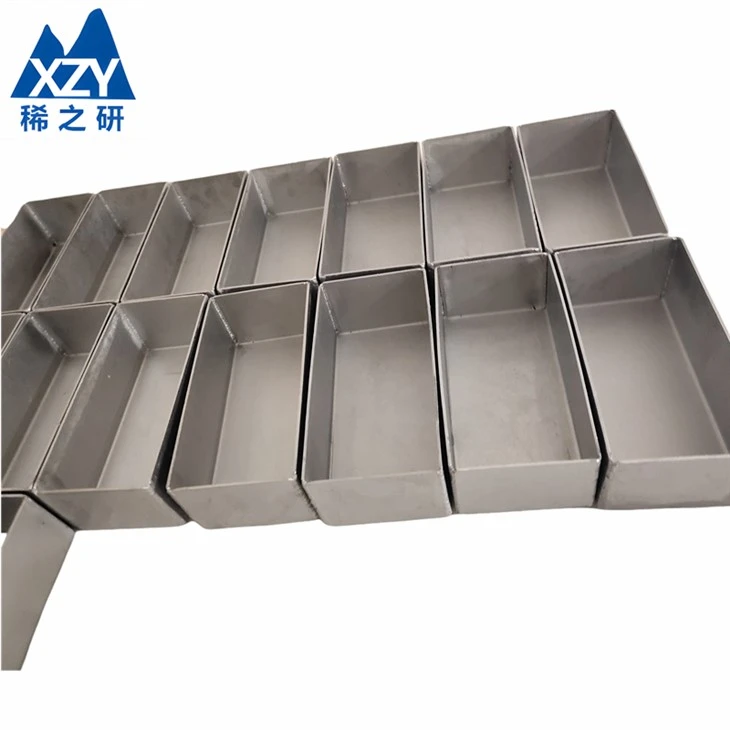
In addition to pure tungsten rods, we also offer a range of other tungsten products. You can check out our Tungsten Evaporation Boat, which is widely used in thin - film deposition processes. Our Tungsten Balance Weight is known for its high density and precision, suitable for various balancing applications. And our Pure Tungsten Wire is available in different diameters and lengths, meeting the diverse needs of our customers.
Conclusion
In conclusion, pure tungsten rods have significant potential for use in nuclear applications due to their high temperature resistance, radiation resistance, and high density for shielding. However, they also face challenges such as brittleness, high cost, and compatibility issues. With continued research and development, these challenges can be overcome, and tungsten may play an increasingly important role in the nuclear industry.
If you are interested in our pure tungsten rods or other tungsten products for nuclear applications, we encourage you to contact us for further discussions. We are committed to providing high - quality materials and excellent service to meet your specific requirements.
References
- "Tungsten: Properties, Chemistry, Technology of the Element, Alloys, and Chemical Compounds" by R. Kieffer and F. Benesovsky.
- "Nuclear Engineering and Technology" journal articles related to advanced materials in nuclear reactors.
- Research reports on the radiation resistance and high - temperature properties of tungsten from national laboratories and research institutions.


