

Hey there! I'm a supplier of molybdenum alloy, and I know firsthand how crucial it is to transport this valuable material safely. Molybdenum alloy is used in a wide range of industries, from aerospace to electronics, thanks to its high strength, heat resistance, and excellent conductivity. But moving it around isn't always a walk in the park. In this blog, I'll share some tips on how to transport molybdenum alloy safely, so you can keep your products in top-notch condition and avoid any costly mishaps.
Understanding Molybdenum Alloy
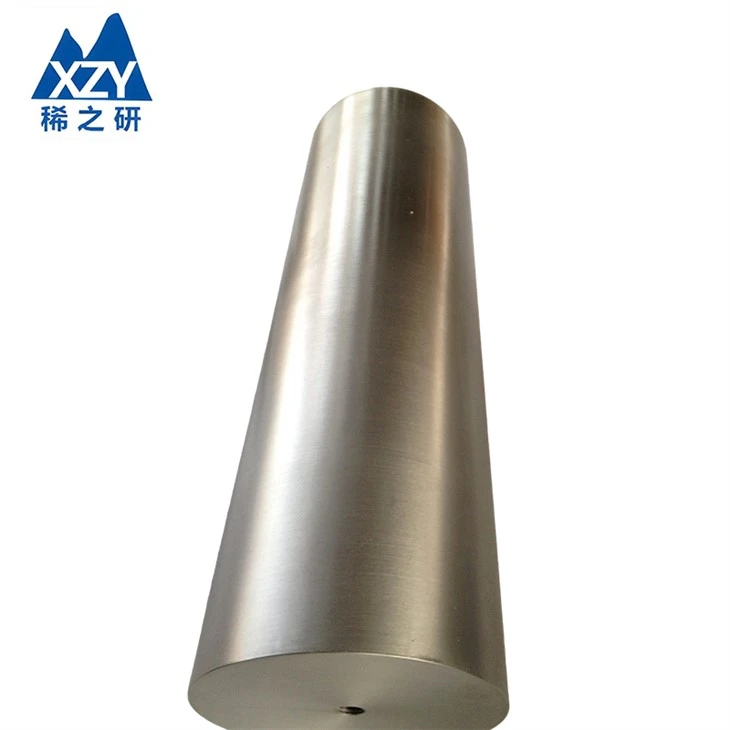
Before we dive into the transportation part, let's quickly go over what molybdenum alloy is. Molybdenum alloy is a combination of molybdenum with other elements like titanium, zirconium, and lanthanum. These alloys have unique properties that make them ideal for various applications. For example, Molybdenum Lanthanum Sheet is known for its high-temperature strength and good formability, while TZM Rod offers excellent creep resistance and weldability. Molybdenum Copper Alloy combines the high thermal conductivity of copper with the strength and heat resistance of molybdenum.
Pre - Transportation Preparation
Packaging
The first step in safe transportation is proper packaging. Molybdenum alloy products are often brittle and can be easily damaged by impacts or vibrations. So, we need to use packaging materials that can absorb shocks and protect the alloy.
For small parts, we can use foam - lined boxes. The foam provides a cushioning effect, reducing the risk of damage during handling and transit. For larger items, wooden crates are a great option. They are sturdy and can be customized to fit the shape and size of the molybdenum alloy products. Inside the crate, we can use dividers or padding to keep the items in place and prevent them from rubbing against each other.
We also need to consider the environmental factors. Molybdenum alloy can be susceptible to corrosion, especially in humid or acidic environments. So, we should wrap the products in anti - corrosion paper or plastic film before placing them in the packaging. This will create a barrier between the alloy and the surrounding air, protecting it from moisture and other corrosive substances.
Documentation
Another important aspect of pre - transportation preparation is documentation. We need to have all the necessary paperwork in order, including a bill of lading, a certificate of origin, and a material safety data sheet (MSDS).
The bill of lading is a legal document that serves as a receipt for the goods being shipped and a contract between the shipper and the carrier. It includes details such as the description of the molybdenum alloy products, their quantity, weight, and destination.
The certificate of origin indicates where the molybdenum alloy was produced. This is important for customs clearance and for ensuring compliance with trade regulations.
The MSDS provides information about the properties, hazards, and handling procedures of the molybdenum alloy. It is essential for the safety of everyone involved in the transportation process, from the loading crew to the drivers and the recipients.
Choosing the Right Carrier
Mode of Transportation
There are several modes of transportation available for shipping molybdenum alloy, including road, rail, air, and sea. Each mode has its own advantages and disadvantages, and the choice depends on various factors such as the quantity of the shipment, the distance, and the urgency.
For short - distance and small - quantity shipments, road transportation is often the most convenient option. Trucks can provide door - to - door service, and they can be easily scheduled to meet your delivery needs. However, road transportation is more vulnerable to traffic delays and accidents.
Rail transportation is a good choice for large - quantity shipments over long distances. Trains are more fuel - efficient and can carry heavy loads. But rail transportation may require additional handling at transfer points, which increases the risk of damage.
Air transportation is the fastest option, making it suitable for urgent shipments. However, it is also the most expensive, and there are strict regulations regarding the packaging and handling of hazardous materials.
Sea transportation is ideal for large - scale international shipments. It is cost - effective for transporting heavy and bulky molybdenum alloy products. But sea voyages can be long, and the products may be exposed to harsh marine environments.
Carrier Reputation
Regardless of the mode of transportation, it's crucial to choose a carrier with a good reputation. Look for carriers that have experience in transporting similar materials and have a track record of safe and reliable service. You can check online reviews, ask for references from other customers, or consult industry associations for recommendations.
During Transportation
Monitoring
Once the molybdenum alloy is on its way, it's important to monitor the shipment. Many carriers offer tracking services that allow you to keep an eye on the location and status of your goods. This can help you anticipate any potential delays or issues and take appropriate action.
In addition to location tracking, we can also use sensors to monitor the environmental conditions inside the transportation container. For example, temperature and humidity sensors can alert us if the conditions are outside the acceptable range for the molybdenum alloy. This way, we can take preventive measures to avoid damage.
Handling
Proper handling during transportation is also key to ensuring the safety of the molybdenum alloy. The carriers should follow strict handling procedures to prevent impacts, vibrations, and excessive movement of the products. Forklifts and other handling equipment should be operated by trained personnel to minimize the risk of damage.

Post - Transportation Checks
Inspection
When the molybdenum alloy arrives at its destination, it's essential to conduct a thorough inspection. Check for any signs of damage, such as cracks, dents, or corrosion. If any damage is found, document it immediately and notify the carrier and your insurance company.
Storage
After the inspection, the molybdenum alloy should be stored in a suitable environment. It should be kept in a dry, clean, and well - ventilated area, away from sources of heat, moisture, and chemicals. If possible, the products should be stored on racks or pallets to prevent them from coming into contact with the floor.
Conclusion
Transporting molybdenum alloy safely requires careful planning, proper packaging, choosing the right carrier, and continuous monitoring. By following these tips, you can minimize the risk of damage and ensure that your molybdenum alloy products arrive at their destination in perfect condition.
If you're in the market for high - quality molybdenum alloy products, I'd love to have a chat with you. Whether you need Molybdenum Lanthanum Sheet, TZM Rod, or Molybdenum Copper Alloy, I can provide you with the best solutions for your needs. Feel free to reach out and let's start a conversation about your procurement requirements.
References
- "Handbook of Molybdenum and Its Alloys"
- Industry guidelines on the transportation of metals and alloys


