

As a dedicated supplier of molybdenum pipes, I often receive inquiries about the hardness values of these essential components. Molybdenum pipes are renowned for their exceptional properties, and understanding their hardness is crucial for various applications across multiple industries. In this blog post, I'll delve into the hardness values of molybdenum pipes, exploring the factors that influence them and their significance in practical use.
Understanding Molybdenum Pipe Hardness
Hardness is a fundamental material property that measures a material's resistance to local deformation, such as indentation, scratching, or abrasion. For molybdenum pipes, hardness is a critical characteristic that affects their performance in diverse environments and applications. The hardness of molybdenum pipes is typically measured using standardized testing methods, such as the Brinell, Rockwell, or Vickers hardness tests.

The hardness of molybdenum pipes can vary depending on several factors, including the purity of the molybdenum, the manufacturing process, and any subsequent heat treatments. Pure molybdenum has a relatively high hardness, making it suitable for applications that require resistance to wear and deformation. However, the addition of alloying elements or impurities can alter the hardness of molybdenum pipes, either increasing or decreasing their resistance to deformation.
Factors Influencing Molybdenum Pipe Hardness
Purity of Molybdenum
The purity of molybdenum is a significant factor that influences the hardness of molybdenum pipes. Pure molybdenum, with a high percentage of molybdenum content, generally exhibits higher hardness values compared to molybdenum alloys or impure molybdenum. This is because pure molybdenum has a more uniform crystal structure, which provides better resistance to deformation. As a supplier, we ensure that our molybdenum pipes are made from high-purity molybdenum to maintain consistent hardness and performance.
Manufacturing Process
The manufacturing process plays a crucial role in determining the hardness of molybdenum pipes. Processes such as hot rolling, cold drawing, and extrusion can affect the grain structure and orientation of the molybdenum, which in turn influences its hardness. For example, cold drawing can increase the hardness of molybdenum pipes by inducing strain hardening, which occurs when the material is deformed under stress. On the other hand, hot rolling can refine the grain structure of molybdenum, resulting in improved hardness and mechanical properties.
Heat Treatment
Heat treatment is another important factor that can significantly impact the hardness of molybdenum pipes. Annealing, quenching, and tempering are common heat treatment processes used to modify the hardness and other properties of molybdenum. Annealing involves heating the molybdenum pipes to a specific temperature and then slowly cooling them, which helps to relieve internal stresses and improve ductility. Quenching, on the other hand, involves rapid cooling of the molybdenum pipes, which can increase their hardness by forming a fine-grained structure. Tempering is often performed after quenching to reduce the brittleness of the material and improve its toughness.
Typical Hardness Values of Molybdenum Pipes
The hardness values of molybdenum pipes can vary depending on the specific grade and application. Generally, the Brinell hardness of pure molybdenum pipes can range from 120 to 200 HB, while the Rockwell hardness can range from B70 to B90. These values can be adjusted through alloying, heat treatment, and other manufacturing processes to meet the specific requirements of different applications.
For example, in applications where high wear resistance is required, such as in the aerospace or automotive industries, molybdenum pipes with higher hardness values may be preferred. On the other hand, in applications where ductility and formability are more important, such as in the electronics or chemical industries, molybdenum pipes with lower hardness values may be more suitable.
Significance of Molybdenum Pipe Hardness in Applications
The hardness of molybdenum pipes is of great significance in various applications. Here are some examples of how hardness affects the performance of molybdenum pipes in different industries:
Aerospace Industry
In the aerospace industry, molybdenum pipes are used in critical components such as engine parts, turbine blades, and heat shields. The high hardness of molybdenum pipes ensures their resistance to wear, corrosion, and high temperatures, making them ideal for use in harsh aerospace environments. The hardness also helps to maintain the structural integrity of the components, ensuring their reliable performance under extreme conditions.
Automotive Industry
In the automotive industry, molybdenum pipes are used in exhaust systems, catalytic converters, and engine components. The hardness of molybdenum pipes helps to resist the abrasive wear caused by exhaust gases and high temperatures, ensuring the longevity and performance of these components. Additionally, the high hardness of molybdenum pipes allows them to withstand the mechanical stresses and vibrations associated with automotive applications.
Electronics Industry
In the electronics industry, molybdenum pipes are used in semiconductor manufacturing, vacuum tubes, and electronic packaging. The hardness of molybdenum pipes is important for maintaining the dimensional stability and precision of these components. The resistance to wear and deformation ensures that the molybdenum pipes can withstand the high-speed processing and handling involved in electronics manufacturing.
Chemical Industry
In the chemical industry, molybdenum pipes are used in chemical reactors, heat exchangers, and piping systems. The hardness of molybdenum pipes provides resistance to corrosion and erosion caused by chemical substances, ensuring the integrity and safety of these systems. The high hardness also allows the molybdenum pipes to withstand the high pressures and temperatures associated with chemical processes.
Related Molybdenum Products
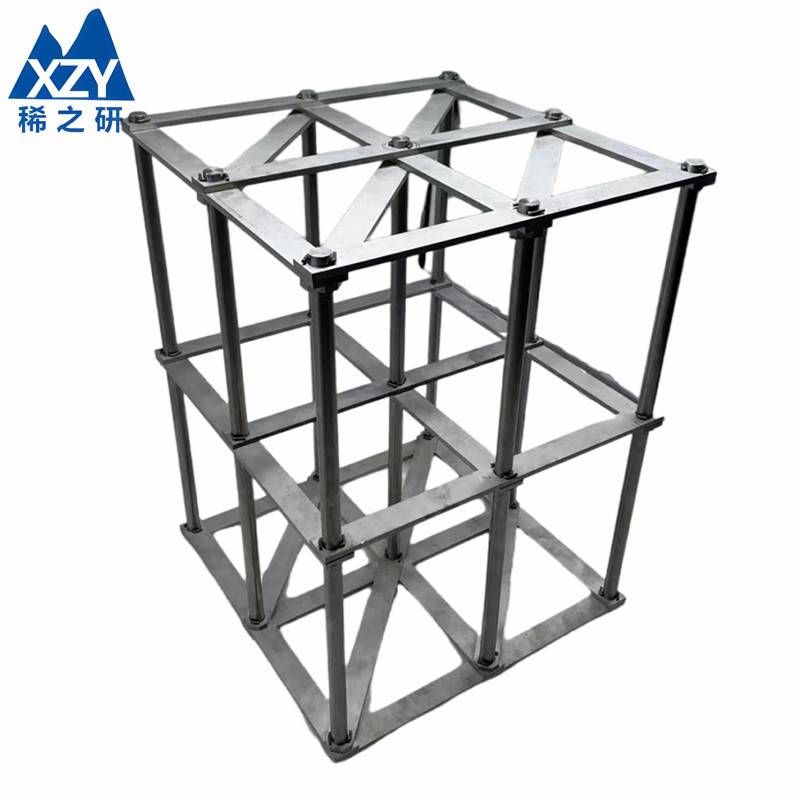
In addition to molybdenum pipes, we also offer a wide range of other molybdenum products, including Molybdenum Racks, Pure Molybdenum Crucible, and Pure Molybdenum Rod. These products are also known for their high hardness, excellent corrosion resistance, and other desirable properties, making them suitable for a variety of applications.
Contact Us for Procurement and洽谈
If you're interested in purchasing molybdenum pipes or any of our other molybdenum products, please don't hesitate to contact us. Our team of experts is ready to assist you with your specific requirements and provide you with the best solutions for your applications. We offer high-quality molybdenum products at competitive prices, along with excellent customer service and technical support. Whether you need a small quantity for a research project or a large order for industrial production, we can meet your needs.
References
- ASM Handbook Volume 1: Properties and Selection: Irons, Steels, and High-Performance Alloys. ASM International.
- Metals Handbook Desk Edition, Third Edition. ASM International.
- Molybdenum: Properties, Production, and Applications. Edited by F. H. Froes and I. L. Caplan. TMS (The Minerals, Metals & Materials Society).
