
What are the import regulations for Molybdenum Pipe?
As a seasoned supplier of molybdenum pipes, I've had the privilege of engaging with clients from various corners of the globe. Through these interactions, I've come to realize that understanding the import regulations for molybdenum pipes is crucial for both suppliers like me and our valued customers. In this blog, I'll delve into the key aspects of these regulations, offering insights that can help streamline the import process.
1. Classification and Tariffs
The first step in importing molybdenum pipes is to accurately classify them according to the Harmonized System (HS) codes. Molybdenum pipes typically fall under specific HS codes that are recognized internationally. These codes are essential as they determine the applicable tariffs and duties.

Tariffs can vary significantly from one country to another. Some countries may offer preferential tariff rates under free trade agreements or other trade arrangements. For instance, if a country has a free trade agreement with the exporting country, the importer may be eligible for reduced or zero tariffs on molybdenum pipes. It's important to stay updated on the latest tariff schedules of the importing country to avoid any unexpected costs.
2. Quality and Safety Standards
Molybdenum pipes are often used in critical applications such as the aerospace, electronics, and chemical industries. As a result, many countries have strict quality and safety standards in place to ensure that imported products meet their requirements.
These standards may cover aspects such as chemical composition, mechanical properties, and dimensional accuracy. For example, the pipes may need to comply with specific ASTM (American Society for Testing and Materials) or ISO (International Organization for Standardization) standards. Importers are usually required to provide documentation such as certificates of analysis and test reports to prove that the molybdenum pipes meet these standards.
In addition to product-specific standards, there may also be environmental and safety regulations that need to be adhered to. For instance, the pipes may need to be free from certain hazardous substances to comply with environmental protection laws.
3. Documentation Requirements
Importing molybdenum pipes involves a significant amount of paperwork. The following are some of the common documents that are typically required:
- Commercial Invoice: This document provides details about the transaction, including the description of the molybdenum pipes, quantity, price, and terms of sale.
- Bill of Lading or Airway Bill: These documents serve as proof of shipment and contain information about the carrier, the origin and destination of the goods, and the shipping details.
- Packing List: It lists the contents of each package, including the quantity, weight, and dimensions of the molybdenum pipes.
- Certificate of Origin: This document indicates the country where the molybdenum pipes were produced. It may be required to determine the eligibility for preferential tariff rates.
- Import License: Some countries may require importers to obtain an import license for molybdenum pipes. This license is usually issued by the relevant government agency and may be subject to certain conditions.
It's essential to ensure that all the documents are accurate and complete to avoid any delays or complications at the customs clearance stage.
4. Quotas and Restrictions
In some cases, there may be quotas or restrictions on the import of molybdenum pipes. Quotas limit the quantity of a particular product that can be imported within a specified period. These quotas are often implemented to protect domestic industries or to manage the balance of trade.
Restrictions may also be imposed for reasons such as national security or environmental concerns. For example, a country may restrict the import of molybdenum pipes that contain certain radioactive materials. Importers need to be aware of these quotas and restrictions and plan their imports accordingly.
5. Customs Clearance Process
The customs clearance process is a critical step in importing molybdenum pipes. It involves the submission of all the required documents to the customs authorities and the payment of any applicable duties and taxes.
Customs officials will inspect the documents and may also conduct physical inspections of the molybdenum pipes to ensure compliance with the regulations. The process can be time-consuming, especially if there are any discrepancies or issues with the documentation.
To expedite the customs clearance process, it's advisable to work with a reliable customs broker. A customs broker has in-depth knowledge of the import regulations and can assist with the preparation and submission of the necessary documents. They can also help resolve any issues that may arise during the clearance process.
Related Products
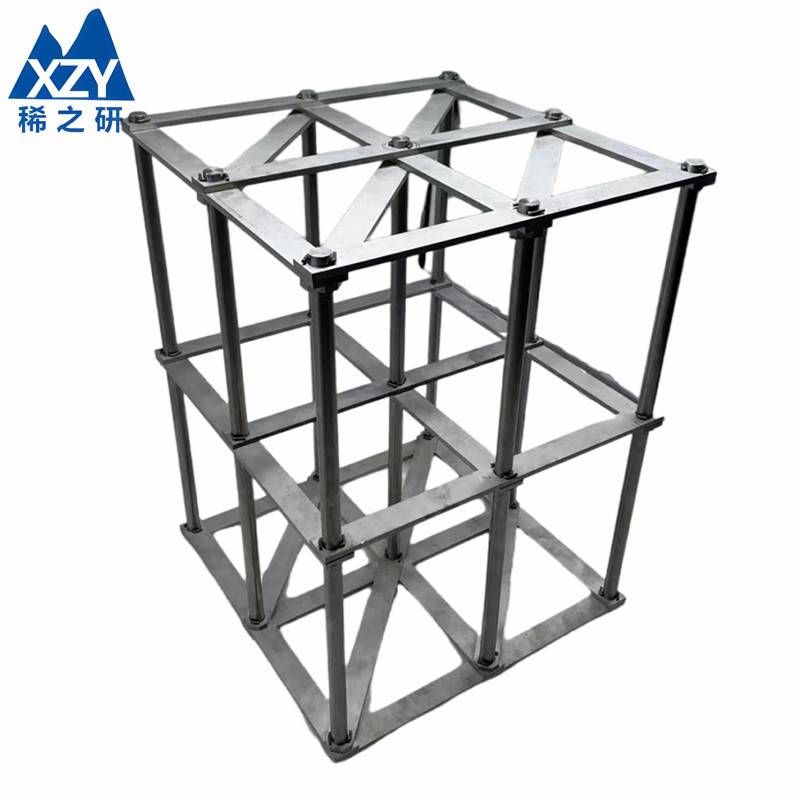
In addition to molybdenum pipes, we also offer a range of other high-quality molybdenum products. For those interested in heat shielding applications, our Molybdenum Heat Shield provides excellent thermal insulation properties. Our Pure Molybdenum Disc is widely used in the electronics industry for its high conductivity and corrosion resistance. And for storage and handling needs, our Molybdenum Racks are a reliable choice.
Conclusion
Importing molybdenum pipes requires a thorough understanding of the import regulations to ensure a smooth and hassle-free process. By being aware of the classification and tariffs, quality and safety standards, documentation requirements, quotas and restrictions, and the customs clearance process, both suppliers and importers can avoid potential pitfalls and ensure the timely delivery of high-quality products.
If you're interested in purchasing molybdenum pipes or any of our other products, I encourage you to reach out to us. We have a team of experts who can provide you with detailed information and assist you with the import process. Let's work together to meet your molybdenum product needs.
References
- International Chamber of Commerce. Incoterms 2020.
- World Customs Organization. Harmonized System Nomenclature.
- ASTM International. Standards for Molybdenum and Molybdenum Alloys.
- ISO. International Standards for Metals and Alloys.


