

Hey there! As a supplier of pure tungsten, I've seen firsthand the incredible versatility of this amazing metal, especially in vacuum applications. In this blog post, I'm going to dive into the various uses of pure tungsten in vacuum environments, sharing some insights and real - world examples.

1. Heating Elements
One of the most common uses of pure tungsten in vacuum applications is as heating elements. Tungsten has an extremely high melting point of around 3422°C (6192°F), which is the highest of all metals. This property makes it ideal for use in high - temperature vacuum furnaces.
In a vacuum, there's no oxygen to cause oxidation, so tungsten can operate at very high temperatures without deteriorating quickly. These heating elements can reach temperatures up to 2800°C (5072°F) in a vacuum environment, making them perfect for processes like sintering, annealing, and brazing. For example, in the production of high - performance ceramics, the high - temperature capabilities of tungsten heating elements ensure uniform heating, leading to better - quality end products.
2. Electron Emitters
Tungsten is also widely used as an electron emitter in vacuum tubes and electron microscopes. When heated, tungsten can emit electrons, a phenomenon known as thermionic emission. This property is crucial in devices that rely on electron beams.
In electron microscopes, for instance, a tungsten filament is heated to release a stream of electrons. These electrons are then accelerated and focused to form a beam that can be used to image extremely small objects with high resolution. The stability and reliability of tungsten as an electron emitter are essential for obtaining clear and accurate images.
3. X - ray Targets
X - ray tubes are another area where pure tungsten shines in vacuum applications. Tungsten is used as the target material in X - ray tubes. When high - energy electrons collide with the tungsten target in a vacuum, X - rays are produced.
Tungsten's high atomic number (74) and high density make it an excellent choice for X - ray production. It can efficiently convert the kinetic energy of the electrons into X - rays. This is important in medical imaging, industrial non - destructive testing, and scientific research. In medical X - ray machines, for example, the tungsten target helps generate the X - rays needed to visualize bones and internal organs.
4. Vacuum Seals and Components
Pure tungsten is also used to make various vacuum seals and components. Tungsten has a low coefficient of thermal expansion, which means it doesn't expand or contract significantly with changes in temperature. This property is crucial for maintaining the integrity of vacuum systems.
For example, tungsten threaded rods (/pure - tungsten/tungsten - threaded - rod.html) are used to secure different parts of a vacuum chamber together. Their stability under varying temperatures ensures that the vacuum remains intact. Tungsten balance weights (/pure - tungsten/tungsten - balance - weight.html) are also used in vacuum equipment to balance rotating parts, reducing vibrations and improving the overall performance of the system.
5. Evaporation Sources
In the field of thin - film deposition, pure tungsten is used as an evaporation source in vacuum chambers. By heating tungsten in a vacuum, it can be vaporized, and the vapor can then be deposited onto a substrate to form a thin film.
This process is used in the production of semiconductors, optical coatings, and other high - tech applications. For example, in the manufacturing of microchips, thin tungsten films are deposited on silicon wafers to create conductive paths. The purity of the tungsten ensures that the thin films have the desired electrical and physical properties.
6. Pure Tungsten Blocks in Vacuum Applications
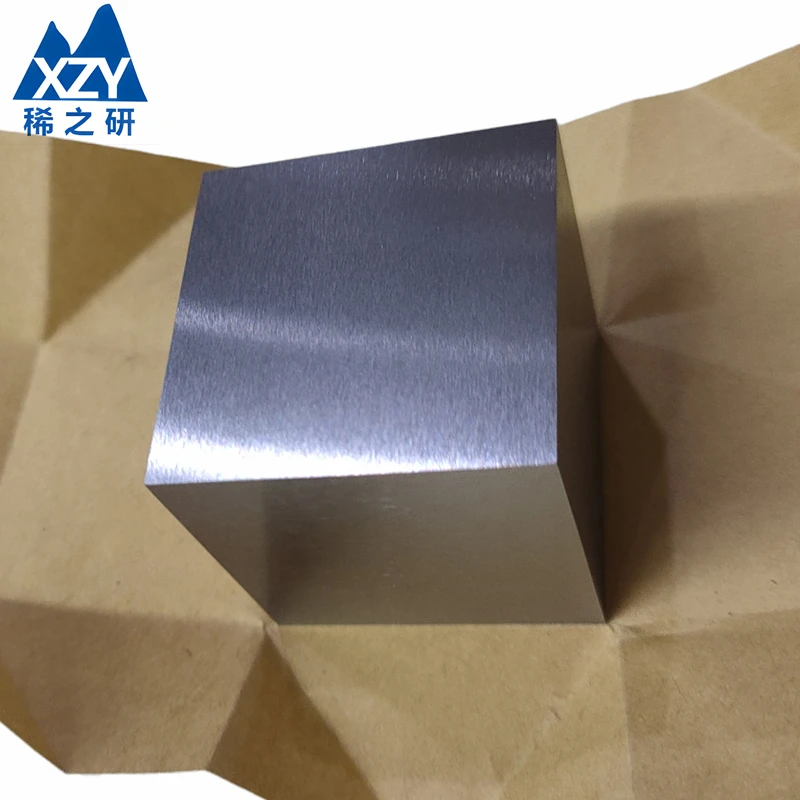
Pure tungsten blocks (/pure - tungsten/pure - tungsten - block.html) have their own set of uses in vacuum environments. They can be used as radiation shields in vacuum - based radiation - related applications. Due to tungsten's high density, it can effectively absorb and block various types of radiation, such as gamma rays and X - rays.
In addition, these blocks can be machined into custom - shaped components for specific vacuum equipment. Their high strength and resistance to deformation make them suitable for withstanding the harsh conditions inside a vacuum chamber.
Why Choose Our Pure Tungsten?
As a supplier of pure tungsten, we take pride in offering high - quality products. Our tungsten is sourced from reliable mines and undergoes strict quality control processes. We can provide tungsten in various forms, including rods, blocks, and wires, to meet the diverse needs of vacuum applications.
Whether you're in the business of manufacturing vacuum furnaces, electron microscopes, or X - ray machines, our pure tungsten products can offer the performance and reliability you need. We understand the importance of purity and consistency in these applications, and we work hard to ensure that our products meet the highest standards.
How to Get in Touch
If you're interested in purchasing pure tungsten for your vacuum applications, we'd love to hear from you. We're here to answer any questions you might have about our products, including their specifications, pricing, and delivery options. Whether you need a small quantity for research purposes or a large - scale supply for industrial production, we can accommodate your requirements.
Just reach out to us, and we'll start a conversation about how our pure tungsten can benefit your business. We're committed to providing excellent customer service and helping you find the right solutions for your vacuum - related needs.
References
- "Tungsten: Properties, Chemistry, Technology of the Element, Alloys, and Chemical Compounds" by R. Kieffer and F. Benesovsky
- "Vacuum Technology and Applications" by A. Roth
- Journal articles on high - temperature materials and vacuum - based processes in scientific journals such as "Journal of Vacuum Science and Technology"


