

Hey there! As a supplier of pure tungsten, I often get asked about the difference between pure tungsten and tungsten alloys. It's a topic that's not only super interesting but also crucial for anyone in industries that rely on these materials. So, let's dive right in and break it down.
What is Pure Tungsten?
Pure tungsten is a chemical element with the symbol W and atomic number 74. It's a rare metal found naturally on Earth almost exclusively combined with other elements in chemical compounds rather than alone. One of the most remarkable things about pure tungsten is its extremely high melting point, which is around 3,422°C (6,192°F). That's the highest of all metals and second only to carbon among all known elements. This high melting point makes pure tungsten ideal for applications where extreme heat is involved, like in the filaments of incandescent light bulbs.

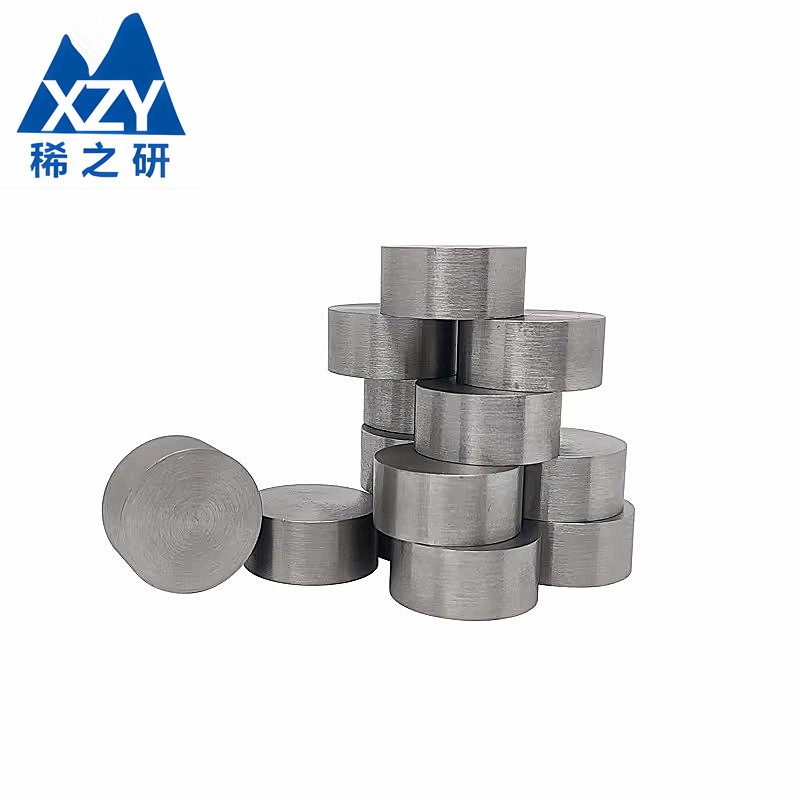
Another key property of pure tungsten is its high density. It's about 19.3 grams per cubic centimeter, which is similar to that of gold and uranium. This density gives pure tungsten a great deal of mass in a relatively small volume, making it useful for applications where weight is a factor, such as Tungsten Balance Weight.
Pure tungsten is also very hard and has excellent corrosion resistance. It can withstand harsh environments without deteriorating easily, which is why it's used in various industrial settings. For example, Tungsten Threaded Rod made from pure tungsten can be used in high-stress mechanical applications because of its strength and durability.
What are Tungsten Alloys?
Tungsten alloys, on the other hand, are mixtures of tungsten with other metals. These other metals can include nickel, iron, copper, and cobalt, among others. The addition of these metals to tungsten changes its properties in various ways, depending on the type and amount of the alloying elements.
One of the main reasons for creating tungsten alloys is to improve certain properties of pure tungsten. For example, pure tungsten can be quite brittle at room temperature, which limits its use in some applications. By adding other metals, the alloy can become more ductile and easier to work with. This makes it possible to manufacture complex shapes and components that would be difficult or impossible to make with pure tungsten alone.
Tungsten alloys also offer a range of different densities and mechanical properties. For instance, some tungsten-nickel-iron alloys have high density and good machinability, making them suitable for applications like radiation shielding. These alloys can absorb and block harmful radiation, which is crucial in medical and nuclear industries.
Key Differences
Physical Properties
- Melting Point: Pure tungsten has the highest melting point among metals, as I mentioned earlier. Tungsten alloys, however, usually have lower melting points because the alloying elements lower the overall melting temperature of the material. This can be an advantage or a disadvantage depending on the application. In some cases, a lower melting point might make the alloy easier to process, while in others, a high melting point is essential.
- Density: While pure tungsten has a very high density, the density of tungsten alloys can vary depending on the alloying elements. Some alloys may have a slightly lower density than pure tungsten, but they can still be quite dense compared to other metals. This density variation allows for more flexibility in choosing the right material for different applications.
- Hardness: Pure tungsten is extremely hard, but tungsten alloys can have different levels of hardness depending on the composition. Some alloys may be softer than pure tungsten to improve machinability, while others can be made even harder by adding certain elements.
Mechanical Properties
- Ductility and Machinability: As I said, pure tungsten is brittle at room temperature, which makes it difficult to machine and form into complex shapes. Tungsten alloys, especially those with nickel and iron, are much more ductile and easier to machine. This means that they can be used to create parts with intricate designs and precise dimensions.
- Strength and Toughness: Tungsten alloys can be designed to have different levels of strength and toughness. In some cases, they can be stronger and tougher than pure tungsten, making them suitable for high-stress applications. For example, tungsten-cobalt alloys are known for their high strength and are often used in cutting tools.
Chemical Properties
- Corrosion Resistance: Pure tungsten has good corrosion resistance, but the addition of other metals in tungsten alloys can either improve or reduce this property. Some alloying elements can form a protective layer on the surface of the alloy, enhancing its corrosion resistance. However, in some cases, the presence of certain metals may make the alloy more susceptible to corrosion in specific environments.
Applications
Pure Tungsten Applications
- Electronics: Pure tungsten is widely used in the electronics industry, especially in the manufacturing of filaments for incandescent and halogen light bulbs. Its high melting point allows it to withstand the high temperatures generated by the electrical current, ensuring a long lifespan for the bulb. It's also used in electron emitters and other electronic components.
- Aerospace and Defense: In the aerospace and defense sectors, pure tungsten is used in applications where high density and strength are required. For example, it's used in the tips of armor-piercing projectiles because of its ability to penetrate hard targets. Tungsten Evaporation Boat made from pure tungsten is also used in the deposition of thin films in the aerospace and semiconductor industries.
- Medical: Pure tungsten is used in some medical applications, such as in the production of X-ray targets. Its high atomic number and density make it an effective material for generating X-rays.
Tungsten Alloy Applications
- Radiation Shielding: As I mentioned earlier, tungsten-nickel-iron alloys are commonly used for radiation shielding in medical and nuclear facilities. Their high density and ability to absorb radiation make them an ideal choice for protecting people and equipment from harmful rays.
- Counterweights: Tungsten alloys are also used as counterweights in various industries, including automotive, aerospace, and sports equipment. Their high density allows for a compact and effective counterweight solution.
- Cutting Tools: Tungsten-cobalt alloys, also known as cemented carbides, are widely used in cutting tools such as drills, end mills, and inserts. Their high hardness and wear resistance make them suitable for machining hard materials.
Which One to Choose?
The choice between pure tungsten and tungsten alloys depends on the specific requirements of the application. If you need a material with the highest melting point, extreme hardness, and excellent corrosion resistance, and the ability to work with a relatively simple shape is sufficient, then pure tungsten might be the right choice. For example, if you're making a high-temperature furnace component or a simple weight, pure tungsten could be ideal.
On the other hand, if you need a material that is more ductile, easier to machine, and can be tailored to have specific mechanical and physical properties, then a tungsten alloy is probably a better option. If you're looking to create a complex-shaped part or need a material with a specific level of strength and toughness, a tungsten alloy would be more suitable.
Contact for Procurement
If you're interested in purchasing pure tungsten or tungsten alloys for your business, I'd love to have a chat with you. Whether you need Tungsten Threaded Rod, Tungsten Evaporation Boat, or Tungsten Balance Weight, I can provide you with high-quality products and professional advice. Just reach out, and we can discuss your specific needs and find the best solution for you.
References
- ASM Handbook Committee. (2000). ASM Handbook Volume 2: Properties and Selection: Nonferrous Alloys and Special-Purpose Materials. ASM International.
- Callister, W. D., & Rethwisch, D. G. (2017). Materials Science and Engineering: An Introduction. Wiley.
- Smithells Metals Reference Book (8th Edition). Butterworth-Heinemann.
