

Hey there! As a supplier of pure tungsten tubes, I often get asked about the elongation of these tubes. So, I thought I'd take a moment to break it down for you.
First off, let's talk about what elongation means. In simple terms, elongation is the measure of how much a material can stretch before it breaks. When we're talking about pure tungsten tubes, elongation is an important factor because it gives us an idea of how the tube will perform under stress.
Pure tungsten is known for its high melting point, excellent corrosion resistance, and high density. But when it comes to elongation, tungsten is a bit of a unique case. Tungsten is a very brittle material at room temperature, which means it doesn't have a high elongation value under normal conditions.
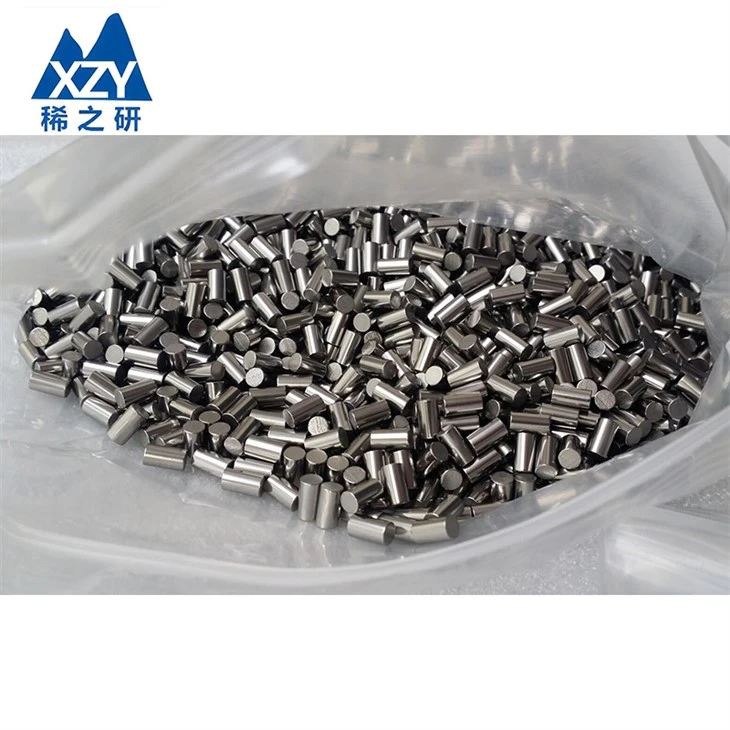

The elongation of a pure tungsten tube is usually expressed as a percentage. This percentage represents the increase in length of the tube compared to its original length before it starts to break. For example, if a tube has an elongation of 5%, it means that it can stretch 5% of its original length before it fails.
However, the elongation of a pure tungsten tube can vary depending on a few factors. One of the most significant factors is the temperature. At room temperature, tungsten is extremely brittle, and its elongation is very low. But as the temperature increases, tungsten becomes more ductile, and its elongation increases.
Another factor that can affect the elongation of a pure tungsten tube is the manufacturing process. The way the tube is made, including the type of raw materials used, the processing techniques, and the heat treatment, can all have an impact on its mechanical properties, including elongation.
For instance, if the tungsten powder used to make the tube has a high purity level and a fine particle size, the resulting tube is likely to have better mechanical properties, including higher elongation. Similarly, proper heat treatment can improve the ductility of the tube and increase its elongation.
Let's also consider the application of the pure tungsten tube. In some applications, such as Tungsten Balance Weight, a high elongation might not be a critical factor. These applications often require the high density and stability of tungsten, and the tube doesn't need to undergo significant stretching.
On the other hand, in applications like Pure Tungsten Wire or Pure Tungsten Heating Element, a certain level of elongation can be beneficial. In these cases, the tube may need to be bent or formed into different shapes during the manufacturing process, and a higher elongation allows for easier shaping without breaking.
As a supplier, I always strive to provide pure tungsten tubes with the best possible mechanical properties. We use high - quality raw materials and advanced manufacturing techniques to ensure that our tubes have the right balance of strength, ductility, and elongation for various applications.
When you're considering purchasing pure tungsten tubes, it's important to discuss your specific requirements with us. Whether you need a tube with a high elongation for a particular forming process or a tube with high strength for a heavy - duty application, we can work with you to find the best solution.
We understand that every customer's needs are different, and we're committed to providing personalized service. If you're not sure what level of elongation you need for your project, our team of experts can help you analyze your requirements and recommend the most suitable product.
In conclusion, the elongation of a pure tungsten tube is a complex but important property. It's influenced by factors such as temperature, manufacturing process, and application. As a reliable supplier of pure tungsten tubes, we have the knowledge and experience to provide you with tubes that meet your specific needs.
If you're interested in learning more about our pure tungsten tubes or discussing your purchasing requirements, don't hesitate to reach out. We're here to help you make the right choice for your project.
References
- "Tungsten: Properties, Chemistry, Technology of the Element, Alloys, and Chemical Compounds" by R. Kieffer and F. Benesovsky
- "Materials Science and Engineering: An Introduction" by William D. Callister Jr. and David G. Rethwisch


