

Hey there! As a supplier of tungsten bars, I often get asked, "Are there different grades of tungsten bars?" Well, the answer is a big yes! Let's dive right into it and explore the world of tungsten bar grades.
First off, let's understand what tungsten is. Tungsten, also known as wolfram, is a super - tough metal. It's got an insanely high melting point, which is why it's used in so many high - temperature applications. You'll find it in everything from light bulb filaments to aerospace components.
Now, when it comes to tungsten bars, the grades mainly depend on the purity of the tungsten and the presence of other elements. The most common grades are based on the percentage of tungsten in the bar.
High - Purity Tungsten Bars
The highest grade of tungsten bars we deal with is usually 99.95% or even 99.99% pure tungsten. These high - purity bars are like the gold standard in the tungsten world. They're used in some of the most demanding applications. For example, in the electronics industry, high - purity tungsten bars are used to make Pure Tungsten Wire. This wire is crucial for making semiconductor components. The high purity ensures that the electrical conductivity is consistent, which is super important for the proper functioning of these tiny but powerful electronic parts.
In the aerospace sector, high - purity tungsten bars are used to make parts that need to withstand extreme temperatures. Jet engines, for instance, operate at incredibly high temperatures, and components made from high - purity tungsten can handle that heat without deforming or losing their strength.

Medium - Purity Tungsten Bars
Medium - purity tungsten bars typically have a tungsten content of around 95% - 99%. These bars are still pretty good, but they have a bit more of other elements mixed in. They're more cost - effective than the high - purity ones, which makes them a popular choice for a lot of industrial applications.
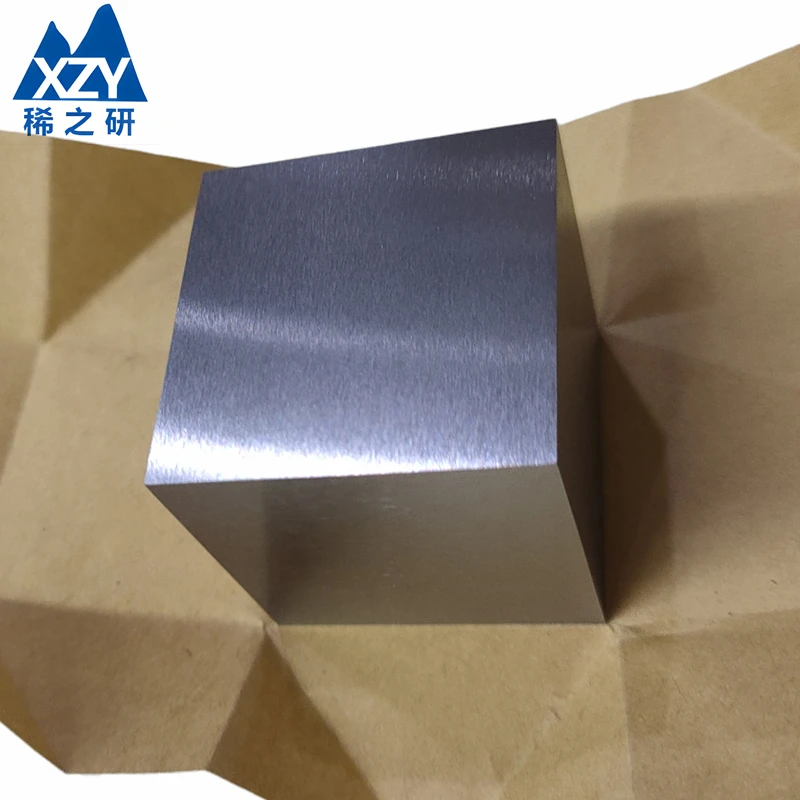
One of the main uses of medium - purity tungsten bars is in the manufacturing of Pure Tungsten Block. These blocks are used in various machining operations. They can be cut, shaped, and drilled to make different parts. Since they're not as expensive as the high - purity bars, manufacturers can afford to use them in larger quantities for making parts that don't require the absolute highest level of purity.
Another application is in the production of radiation shielding. Tungsten is great at blocking radiation, and medium - purity bars can be used to make shielding for medical equipment, nuclear power plants, and even in some scientific research facilities.
Low - Purity Tungsten Bars
Low - purity tungsten bars usually have a tungsten content of less than 95%. These bars have a significant amount of other elements in them, which can affect their properties. However, they still have their uses.
One of the main applications of low - purity tungsten bars is in the production of Tungsten Balance Weight. These weights are used in a variety of industries, from automotive to sports equipment. In the automotive industry, balance weights are used to balance wheels, ensuring a smooth and safe ride. In sports equipment, like golf clubs, tungsten balance weights can be used to adjust the weight distribution of the club, improving the player's swing.
The low - purity bars are also used in some decorative applications. Since they're less expensive, they can be used to make jewelry or other decorative items that have a tungsten - like appearance.
How Do We Determine the Grade?
So, how do we figure out what grade a tungsten bar is? Well, it's a combination of different testing methods. One of the most common methods is spectroscopy. This technique can analyze the chemical composition of the bar and tell us exactly how much tungsten and other elements are present.
We also look at the physical properties of the bar. High - purity bars are usually more ductile and have better electrical conductivity. Medium - and low - purity bars may be a bit more brittle and have slightly different electrical and thermal properties.
Quality Control
As a supplier, quality control is super important to us. We make sure that every tungsten bar we supply meets the specified grade. We have a team of experts who test each batch of bars using the latest equipment and techniques.
We also keep detailed records of the production process and the test results. This way, if a customer has any questions about the grade or quality of the bars they've received, we can provide them with all the necessary information.
Why Does Grade Matter?
You might be wondering why the grade of a tungsten bar matters so much. Well, it all comes down to the application. If you're making a high - end electronic component, you need a high - purity tungsten bar to ensure the best performance. Using a lower - grade bar could lead to electrical problems, component failure, and even safety issues.
On the other hand, if you're just making a balance weight or a decorative item, a low - purity bar might be perfectly fine. It can save you money without sacrificing too much in terms of functionality.
Conclusion
In conclusion, there are definitely different grades of tungsten bars, and each grade has its own unique properties and applications. Whether you need high - purity bars for high - tech applications or low - purity bars for more cost - effective uses, we've got you covered.
If you're in the market for tungsten bars, I'd love to talk to you about your specific needs. We can work together to find the right grade and quantity of tungsten bars for your project. Just reach out to us, and we'll be happy to help you get the best possible product at a great price.
References
- ASM Handbook, Volume 2: Properties and Selection: Nonferrous Alloys and Special - Purpose Materials
- Tungsten: Properties, Chemistry, Technology of the Element, Alloys, and Chemical Compounds by R. Kieffer and F. Benesovsky


