

As a supplier of pure tungsten sheets, I often receive inquiries from various industries about the potential applications of our products. One question that has come up more frequently lately is whether pure tungsten sheet can be used in the medical field. In this blog post, I will explore this topic in detail, looking at the properties of pure tungsten, its current and potential medical applications, and the challenges and considerations associated with its use in medicine.
Properties of Pure Tungsten
Pure tungsten is a remarkable metal with several unique properties that make it an attractive material for a wide range of applications. First and foremost, tungsten has an extremely high melting point, around 3422°C (6192°F), which is the highest of all metals. This high melting point gives tungsten excellent thermal stability, allowing it to withstand extreme temperatures without deforming or losing its structural integrity.
In addition to its high melting point, tungsten has a very high density, approximately 19.3 g/cm³, which is comparable to that of gold and lead. This high density makes tungsten an effective radiation shielding material, as it can absorb and scatter radiation, reducing its intensity and protecting sensitive equipment and personnel.

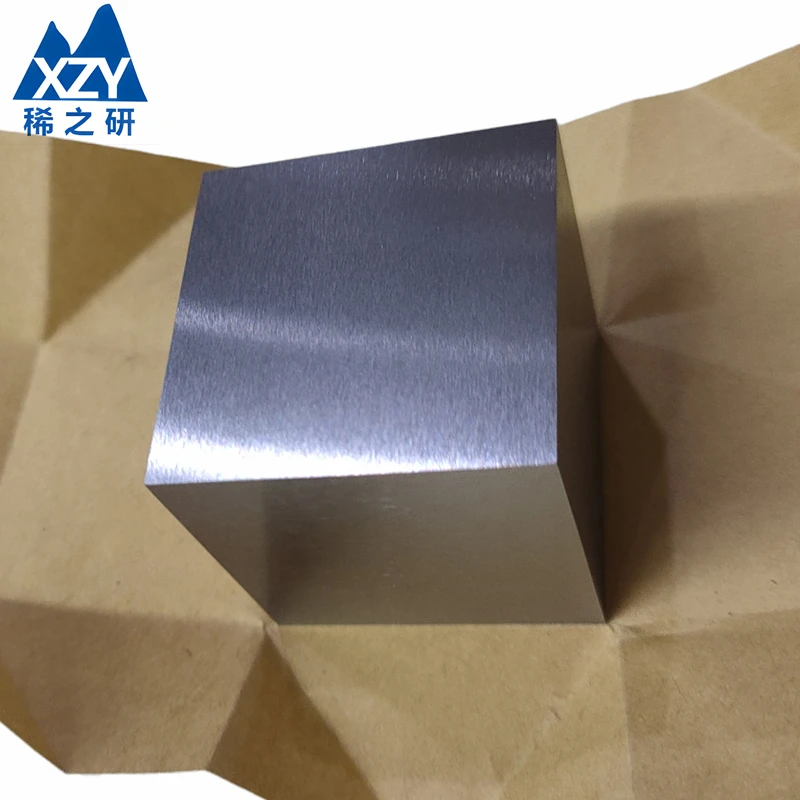
Tungsten also has excellent mechanical properties, including high strength, hardness, and wear resistance. These properties make it suitable for use in applications where durability and reliability are essential, such as in cutting tools, electrical contacts, and aerospace components.
Another important property of tungsten is its biocompatibility. Biocompatibility refers to the ability of a material to interact with living tissues without causing adverse reactions. Tungsten has been shown to be relatively biocompatible, which means it has the potential to be used in medical devices and implants.
Current Medical Applications of Pure Tungsten
While pure tungsten sheet is not as commonly used in the medical field as some other materials, it does have several current applications. One of the most significant uses of tungsten in medicine is in radiation shielding. Tungsten's high density and ability to absorb radiation make it an ideal material for shielding patients and medical staff from the harmful effects of X-rays, gamma rays, and other forms of ionizing radiation.
Tungsten shielding is commonly used in medical imaging equipment, such as CT scanners and X-ray machines, to protect the surrounding area from radiation leakage. It is also used in radiation therapy, where it is used to shape and direct the radiation beam to target cancer cells while minimizing damage to healthy tissues.
Another application of pure tungsten in the medical field is in the manufacturing of medical needles and surgical instruments. Tungsten's high strength and hardness make it suitable for use in these applications, where sharpness and durability are essential. Tungsten needles are often used in acupuncture and other minimally invasive procedures, while tungsten surgical instruments are used in a variety of surgical procedures, including neurosurgery and ophthalmology.
In addition to these applications, pure tungsten is also used in the production of dental implants and prosthetics. Tungsten's biocompatibility and mechanical properties make it a suitable material for these applications, where it can provide a stable and long-lasting foundation for dental restorations and artificial limbs.
Potential Medical Applications of Pure Tungsten
In addition to its current applications, pure tungsten sheet has several potential applications in the medical field. One area of research is the use of tungsten in drug delivery systems. Tungsten nanoparticles have been shown to have unique properties that make them suitable for use in drug delivery, including their ability to target specific cells and tissues and their high drug loading capacity.
Another potential application of pure tungsten is in the development of biosensors. Biosensors are devices that can detect and measure biological molecules, such as proteins, DNA, and glucose. Tungsten's electrical conductivity and biocompatibility make it a promising material for use in biosensors, where it can be used to detect and measure biological molecules in real-time.
Tungsten also has the potential to be used in the development of medical implants and devices. For example, tungsten-based alloys could be used to develop stronger and more durable orthopedic implants, such as hip and knee replacements. Tungsten could also be used in the development of cardiovascular devices, such as stents and pacemakers, where its high strength and biocompatibility could improve the performance and longevity of these devices.
Challenges and Considerations
While pure tungsten sheet has several potential applications in the medical field, there are also several challenges and considerations that need to be addressed. One of the main challenges is the high cost of tungsten. Tungsten is a relatively rare and expensive metal, which can make it difficult to justify its use in some medical applications, especially those where cost is a major factor.
Another challenge is the potential for tungsten to cause adverse reactions in the body. While tungsten has been shown to be relatively biocompatible, there is still some concern about its long-term effects on human health. More research is needed to fully understand the potential risks and benefits of using tungsten in medical applications.
In addition to these challenges, there are also several regulatory and ethical considerations that need to be taken into account when using pure tungsten in the medical field. Medical devices and implants are subject to strict regulations and standards to ensure their safety and effectiveness. Any new medical application of tungsten would need to undergo rigorous testing and approval processes before it could be used in clinical practice.
Conclusion
In conclusion, pure tungsten sheet has several unique properties that make it an attractive material for use in the medical field. Its high density, thermal stability, mechanical strength, and biocompatibility make it suitable for a variety of applications, including radiation shielding, medical needles and surgical instruments, dental implants, and prosthetics.
While pure tungsten is not as commonly used in the medical field as some other materials, it has several potential applications in drug delivery systems, biosensors, and medical implants. However, there are also several challenges and considerations that need to be addressed, including the high cost of tungsten, the potential for adverse reactions in the body, and the regulatory and ethical considerations associated with its use in medicine.
As a supplier of pure tungsten sheet, I am excited about the potential of this material in the medical field. We are committed to working with researchers, medical device manufacturers, and other stakeholders to explore the potential applications of pure tungsten and to develop innovative solutions that can improve the health and well-being of patients.
If you are interested in learning more about our pure tungsten sheet products or discussing potential applications in the medical field, please feel free to [initiate a contact for procurement discussion]. We would be happy to provide you with more information and to work with you to find the right solution for your needs.
References
- "Tungsten: Properties, Applications, and Health Effects." National Center for Biotechnology Information.
- "Medical Applications of Tungsten." Journal of Medical Engineering & Technology.
- "Biocompatibility of Tungsten and Tungsten Alloys." Biomaterials Science.


