

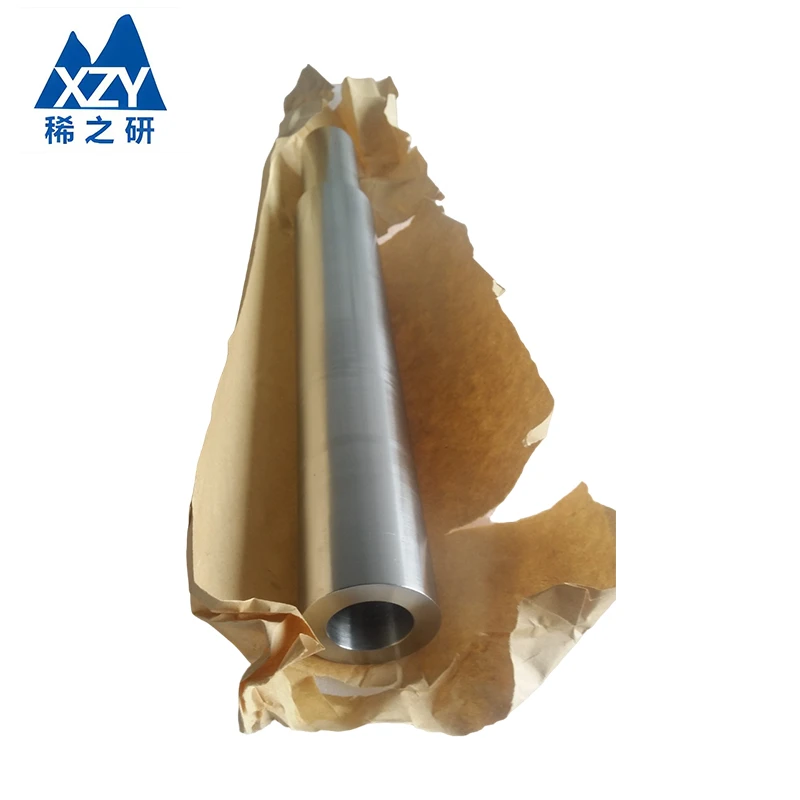
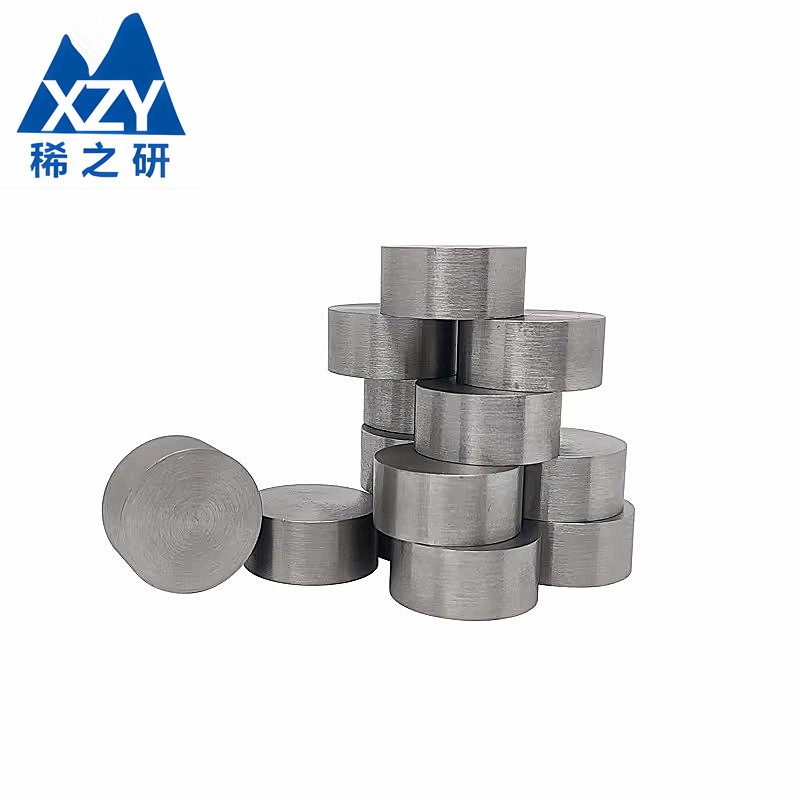
As a supplier of tungsten bars, I often encounter various questions from customers, one of the most common being, "Is a tungsten bar magnetic?" This seemingly simple question actually delves into the fascinating world of materials science and the unique properties of tungsten. In this blog post, I will explore this topic in detail, providing you with a comprehensive understanding of the magnetic properties of tungsten bars.
Understanding Tungsten
Before we dive into the question of magnetism, let's first understand what tungsten is. Tungsten, also known as wolfram, is a chemical element with the symbol W and atomic number 74. It is a hard, rare metal under standard conditions. Tungsten has the highest melting point of all metals, at 3,422 °C (6,192 °F), and the lowest vapor pressure at temperatures above 1,650 °C (3,002 °F). These properties make it extremely useful in a wide range of applications, from light bulb filaments to high - speed steel tools.
The Magnetic Properties of Tungsten
To determine whether a tungsten bar is magnetic, we need to understand the different types of magnetism. There are three main types of magnetism: ferromagnetism, paramagnetism, and diamagnetism.
- Ferromagnetism: Ferromagnetic materials are strongly attracted to magnets and can retain their magnetization even after the external magnetic field is removed. Examples of ferromagnetic materials include iron, nickel, and cobalt.
- Paramagnetism: Paramagnetic materials are weakly attracted to magnets. The magnetic susceptibility of paramagnetic materials is positive but small. This means that they are only attracted to a magnetic field when it is present.
- Diamagnetism: Diamagnetic materials are repelled by magnetic fields. They have a negative magnetic susceptibility. Most materials are diamagnetic, but the effect is usually very weak and is often overshadowed by paramagnetic or ferromagnetic effects in other materials.
Tungsten is a paramagnetic material. This means that it is weakly attracted to a magnetic field. The paramagnetic behavior of tungsten is due to the presence of unpaired electrons in its atomic structure. When placed in a magnetic field, these unpaired electrons align with the field, causing a weak attraction. However, this attraction is so weak that it is often difficult to observe in everyday situations.
Factors Affecting the Magnetic Response of Tungsten Bars
The magnetic response of a tungsten bar can be affected by several factors:
- Purity: The purity of the tungsten bar plays a significant role in its magnetic properties. Impurities in the tungsten can introduce ferromagnetic or other magnetic elements, which can enhance the magnetic response of the bar. A high - purity tungsten bar will exhibit a more consistent and predictable paramagnetic behavior.
- Temperature: Temperature can also affect the magnetic properties of tungsten. As the temperature increases, the thermal motion of the atoms in the tungsten bar disrupts the alignment of the unpaired electrons, reducing the paramagnetic effect. At very low temperatures, the paramagnetic behavior may be more pronounced.
- Crystal Structure: The crystal structure of the tungsten bar can influence its magnetic properties. Different crystal structures can have different arrangements of atoms, which can affect the behavior of the unpaired electrons and thus the magnetic response.
Applications of Tungsten Bars Based on Their Magnetic Properties
The weak paramagnetic property of tungsten bars has some implications for their applications:
- Electronics: In electronic devices, the low magnetic response of tungsten makes it suitable for use in components where magnetic interference needs to be minimized. For example, Pure Tungsten Heating Element can be used in sensitive electronic circuits without causing significant magnetic disturbances.
- Aerospace and Defense: Tungsten bars are used in aerospace and defense applications, such as Tungsten Balance Weight. The weak magnetic property ensures that these weights do not interfere with the operation of other magnetic - sensitive equipment on the aircraft or in military systems.
- Medical Equipment: In medical equipment, where magnetic fields are carefully controlled, the paramagnetic nature of tungsten makes it a suitable material for certain components. For example, it can be used in parts of MRI machines where a non - ferromagnetic material is required.
Testing the Magnetic Properties of Tungsten Bars
If you want to test the magnetic properties of a tungsten bar, you can use a simple magnet. However, due to the weak paramagnetic effect, you may need a strong magnet to observe any noticeable attraction. A more accurate way to measure the magnetic properties is to use specialized magnetic measurement equipment, such as a magnetometer.
Conclusion
In conclusion, a tungsten bar is paramagnetic, which means it is weakly attracted to a magnetic field. This property is influenced by factors such as purity, temperature, and crystal structure. The low magnetic response of tungsten bars makes them suitable for a wide range of applications where magnetic interference needs to be minimized.
As a tungsten bar supplier, we offer high - quality tungsten bars with consistent magnetic properties. Whether you need tungsten bars for electronics, aerospace, or medical applications, we can provide you with the right product. If you are interested in purchasing tungsten bars or have any questions about their magnetic properties, please feel free to contact us for further discussion and negotiation. We are committed to providing you with the best products and services to meet your specific needs.
References
- Cullity, B. D., & Graham, C. D. (2008). Introduction to Magnetic Materials. Wiley - Interscience.
- Kittel, C. (2005). Introduction to Solid State Physics. Wiley.


