

Is molybdenum alloy used in the automotive industry?
As a long - time supplier of molybdenum alloys, I've witnessed the growing applications of these remarkable materials across various industries. One question that often comes up is whether molybdenum alloy is used in the automotive industry. The answer is a resounding yes, and in this blog, I'll delve into the reasons, applications, and benefits of using molybdenum alloys in the automotive sector.
Why Molybdenum Alloys?
Molybdenum alloys possess a unique set of properties that make them highly suitable for automotive applications. First and foremost, they have excellent high - temperature strength. In an automotive engine, components are exposed to extremely high temperatures, especially in the combustion chamber and exhaust system. Molybdenum alloys can maintain their mechanical properties at elevated temperatures, which is crucial for ensuring the long - term performance and reliability of engine parts.
Secondly, molybdenum alloys offer good corrosion resistance. The automotive environment is full of corrosive agents such as road salt, moisture, and exhaust gases. Components made from molybdenum alloys can withstand these corrosive elements, reducing the need for frequent replacements and maintenance.
Another important property is their high wear resistance. In automotive engines, there are many moving parts that are subject to friction and wear. Molybdenum alloys can resist abrasion, extending the service life of components and improving the overall efficiency of the engine.
Applications in the Automotive Industry
Engine Components
Molybdenum alloys are widely used in engine components. For example, in pistons, the addition of molybdenum can enhance the strength and heat resistance of the piston material. Pistons experience high - pressure and high - temperature conditions during the engine's operation. Molybdenum - alloyed pistons can better withstand these harsh conditions, improving the engine's power output and fuel efficiency.
Valve seats are another critical engine component where molybdenum alloys are employed. Valve seats need to endure high temperatures and repeated impacts from the valves. Molybdenum alloys' high - temperature strength and wear resistance make them an ideal choice for valve seats, ensuring smooth valve operation and preventing premature wear.
Exhaust Systems
The exhaust system of a vehicle is exposed to high - temperature exhaust gases. Molybdenum alloys are used in exhaust manifolds and turbocharger housings. Turbocharger housings, in particular, need to withstand extremely high temperatures and pressures. Molybdenum - alloyed turbocharger housings can maintain their shape and strength under these conditions, improving the turbocharger's performance and durability.
Electrical and Electronic Components
In modern vehicles, there is a growing demand for high - performance electrical and electronic components. Molybdenum alloys are used in electrical contacts due to their good electrical conductivity and resistance to arcing. Electrical contacts are essential for the proper functioning of various electrical systems in the vehicle, such as the ignition system and the lighting system.
Specific Molybdenum Alloys in the Automotive Industry
TZM Rod
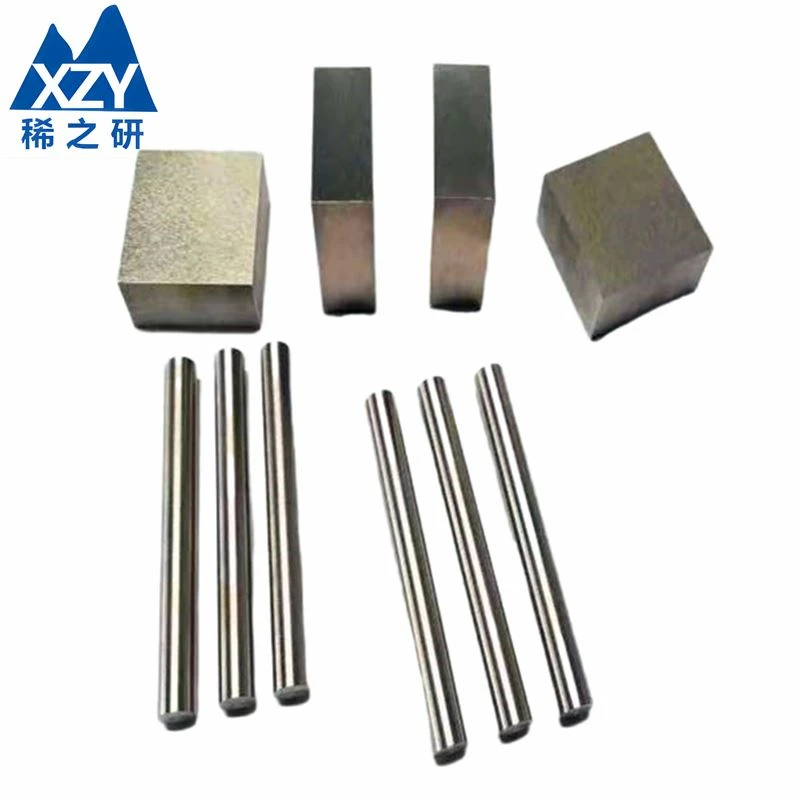
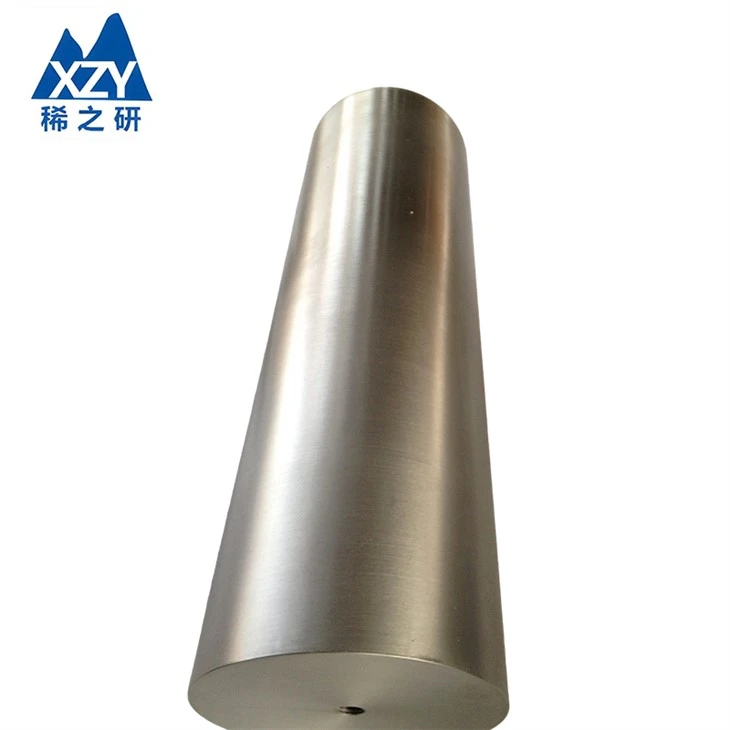
One of the popular molybdenum alloys used in the automotive industry is TZM (Titanium - Zirconium - Molybdenum). TZM rods are known for their high - temperature strength and excellent creep resistance. They can be used in applications where components need to maintain their shape and strength under long - term high - temperature exposure. For more information about TZM Rod, you can visit TZM Rod.
Molybdenum Tungsten Alloy
Molybdenum tungsten alloy combines the high - temperature properties of molybdenum and tungsten. This alloy has even higher melting points and better high - temperature strength compared to pure molybdenum. In automotive applications, molybdenum tungsten alloy can be used in components that require extreme heat resistance, such as parts in high - performance engines. To learn more about Molybdenum Tungsten Alloy, click Molybdenum Tungsten Alloy.
Molybdenum Lanthanum Alloy Rod
Molybdenum lanthanum alloy rod has improved ductility and high - temperature performance. It can be easily fabricated into various shapes while still maintaining its excellent properties at high temperatures. This alloy is suitable for automotive components that need both good formability and high - temperature resistance. You can find more details about Molybdenum Lanthanum Alloy Rod at Molybdenum Lanthanum Alloy Rod.
Benefits to the Automotive Industry
The use of molybdenum alloys in the automotive industry brings several benefits. From a performance perspective, it improves the power output, fuel efficiency, and reliability of vehicles. Components made from molybdenum alloys can operate under more extreme conditions, allowing for the development of more powerful and efficient engines.
In terms of cost - effectiveness, although molybdenum alloys may have a higher initial cost compared to some traditional materials, their long - service life and reduced maintenance requirements result in lower overall costs in the long run. This is especially important for automotive manufacturers and vehicle owners, as it reduces the total cost of ownership.
Moreover, the use of molybdenum alloys contributes to environmental sustainability. Longer - lasting components mean fewer replacements, which reduces the amount of waste generated. Additionally, more efficient engines consume less fuel, resulting in lower emissions.
Conclusion
In conclusion, molybdenum alloys play a vital role in the automotive industry. Their unique properties make them suitable for a wide range of applications, from engine components to exhaust systems and electrical parts. As the automotive industry continues to evolve towards more high - performance and environmentally friendly vehicles, the demand for molybdenum alloys is likely to increase.
If you are an automotive manufacturer or a supplier in the automotive industry and are interested in using high - quality molybdenum alloys for your products, I encourage you to reach out for a procurement discussion. We can provide you with detailed product information and customized solutions to meet your specific requirements.
References
-ASM Handbook Volume 2: Properties and Selection: Nonferrous Alloys and Special - Purpose Materials.
-Materials Science and Engineering: An Introduction by William D. Callister, Jr. and David G. Rethwisch.
-Research papers on the application of molybdenum alloys in the automotive industry from relevant academic journals.


