

As a trusted supplier of Molybdenum Plate, I am often asked about the brazing process for this versatile material. Molybdenum, known for its high melting point, excellent thermal conductivity, and good corrosion resistance, is widely used in various industries such as electronics, aerospace, and metallurgy. Brazing is a crucial joining technique that allows us to combine molybdenum plates with other materials or even other molybdenum components, expanding its application possibilities. In this blog, I will delve into the details of the brazing process for molybdenum plates, including the selection of brazing filler metals, surface preparation, brazing parameters, and post - brazing treatments.
Selection of Brazing Filler Metals
The choice of brazing filler metal is of utmost importance as it determines the joint's strength, ductility, and resistance to various environmental factors. When brazing molybdenum plates, several types of filler metals can be considered.
Silver - Based Filler Metals
Silver - based filler metals are popular due to their relatively low melting points and good wetting properties on molybdenum surfaces. Alloys such as Ag - Cu - Zn - Cd and Ag - Cu - Zn are commonly used. The silver content in these alloys provides good electrical and thermal conductivity, which is beneficial for applications in the electronics industry. For example, in the manufacturing of electronic components where molybdenum plates are used as heat sinks or conductive elements, silver - based filler metals can ensure a reliable joint with good electrical performance. However, the presence of cadmium in some alloys may raise environmental concerns, and in some regions, the use of cadmium - containing filler metals is restricted.
Nickel - Based Filler Metals
Nickel - based filler metals offer high - temperature strength and excellent corrosion resistance. Alloys like Ni - Cr - Si - B are suitable for brazing molybdenum plates in high - temperature applications. These filler metals can form strong joints that can withstand elevated temperatures without significant degradation. In aerospace applications, where molybdenum components are exposed to extreme heat and mechanical stress, nickel - based filler metals are often the preferred choice. They provide a reliable bond that can maintain its integrity under harsh operating conditions.
Copper - Based Filler Metals
Copper - based filler metals are also used for brazing molybdenum plates. Copper has good thermal conductivity, and alloys such as Cu - P can be used for brazing in applications where high thermal transfer is required. However, copper - based filler metals may have limitations in terms of strength at high temperatures compared to nickel - based filler metals.
Surface Preparation
Proper surface preparation is essential for successful brazing of molybdenum plates. The surface of the molybdenum plate should be clean and free from contaminants such as oxides, oils, and dirt.
Cleaning
The first step is to clean the molybdenum plate thoroughly. This can be done using a suitable solvent such as acetone or alcohol to remove any oils or greases on the surface. Ultrasonic cleaning can be employed to ensure a more thorough cleaning, especially for plates with complex geometries. After solvent cleaning, the plates are usually rinsed with distilled water and dried to prevent the formation of new contaminants.

Oxide Removal
Molybdenum readily forms an oxide layer on its surface when exposed to air. This oxide layer can prevent the proper wetting of the filler metal, leading to poor brazing quality. To remove the oxide layer, chemical etching or mechanical abrasion can be used. Chemical etching with a solution of nitric acid and hydrofluoric acid can effectively dissolve the oxide layer. However, this process requires careful handling due to the corrosive nature of the acids. Mechanical abrasion using sandpaper or a wire brush can also be used to remove the oxide layer, but it may leave scratches on the surface, which need to be minimized.
Brazing Parameters
The brazing parameters, including temperature, time, and atmosphere, play a crucial role in determining the quality of the brazed joint.
Temperature
The brazing temperature should be carefully selected based on the melting point of the filler metal. For silver - based filler metals, the brazing temperature is typically in the range of 600 - 800°C. Nickel - based filler metals require higher brazing temperatures, usually in the range of 900 - 1200°C. It is important to heat the molybdenum plates and the filler metal uniformly to ensure proper melting and flow of the filler metal. Overheating can cause grain growth in the molybdenum, which may reduce its mechanical properties, while underheating may result in incomplete melting of the filler metal and poor joint formation.
Time
The brazing time is also an important parameter. It should be long enough to allow the filler metal to melt completely and flow into the joint gap, but not too long to avoid excessive diffusion of the filler metal into the molybdenum substrate. The brazing time can vary depending on the brazing temperature, the type of filler metal, and the size and geometry of the joint. Generally, brazing times range from a few seconds to several minutes.
Atmosphere
The brazing atmosphere can significantly affect the quality of the brazed joint. Inert atmospheres such as argon or nitrogen are commonly used to prevent oxidation of the molybdenum and the filler metal during brazing. Vacuum brazing is also a popular method, especially for high - quality joints. In a vacuum environment, the absence of oxygen eliminates the risk of oxidation, and the reduced pressure can help to remove any volatile impurities from the joint.
Post - Brazing Treatments
After brazing, post - brazing treatments may be required to improve the properties of the brazed joint.
Heat Treatment
Heat treatment can be used to relieve residual stresses in the brazed joint and improve its mechanical properties. Annealing at a suitable temperature can reduce the internal stresses generated during the brazing process, which can prevent cracking and improve the ductility of the joint. The heat treatment temperature and time should be carefully selected based on the type of molybdenum and the filler metal used.
Machining and Finishing
Depending on the application requirements, the brazed molybdenum plates may need to be machined and finished. Machining operations such as grinding, milling, or drilling can be used to achieve the desired dimensions and surface finish. Surface finishing processes such as polishing can be used to improve the appearance and corrosion resistance of the brazed joint.
Applications of Brazed Molybdenum Plates
Brazed molybdenum plates have a wide range of applications in different industries.
In the electronics industry, brazed molybdenum plates are used in the manufacturing of semiconductor devices, vacuum tubes, and printed circuit boards. The brazed joints ensure good electrical and thermal conductivity, which is essential for the proper functioning of these devices. For more information on related molybdenum products, you can visit our website for Wire Cutting Molybdenum Wire.
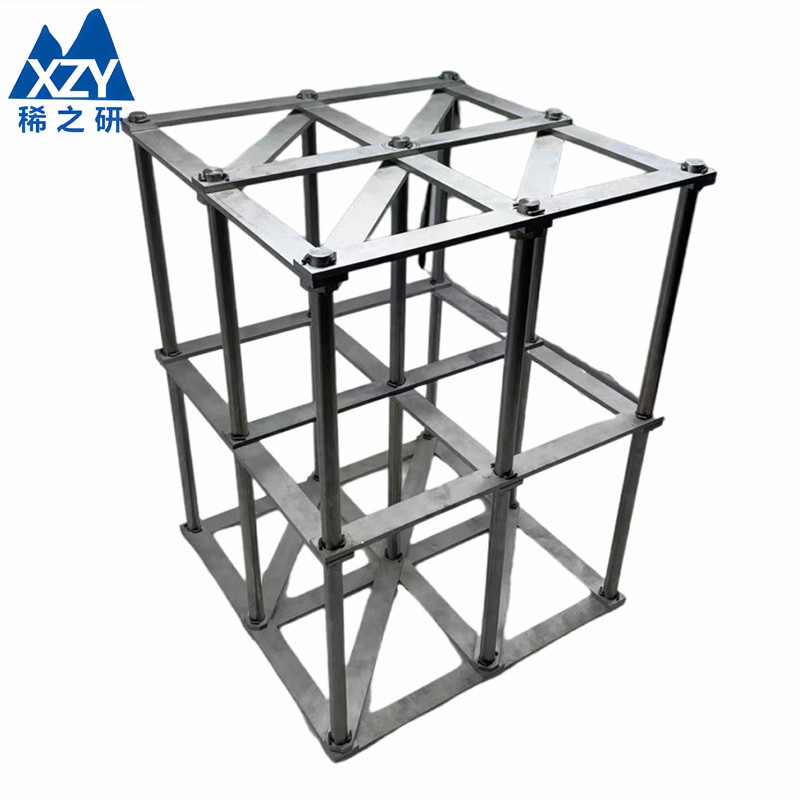
In the aerospace industry, brazed molybdenum components are used in engine parts, heat shields, and structural elements. The high - temperature strength and corrosion resistance of the brazed joints make them suitable for use in harsh aerospace environments. Our Molybdenum Racks can also be brazed for specific aerospace applications.
In the metallurgy industry, brazed molybdenum plates are used in furnaces, crucibles, and other high - temperature equipment. The ability to join molybdenum plates with other materials allows for the design of complex and efficient equipment. Our Molybdenum Target products can also benefit from brazing techniques for specific applications.
Conclusion
The brazing process for molybdenum plates is a complex but important technique that allows for the joining of molybdenum with other materials or components. By carefully selecting the brazing filler metal, preparing the surface properly, controlling the brazing parameters, and performing appropriate post - brazing treatments, high - quality brazed joints can be achieved. These joints can meet the requirements of various industries, from electronics to aerospace and metallurgy.
If you are interested in purchasing molybdenum plates or have any questions about the brazing process, please feel free to contact us for further discussion and negotiation. We are committed to providing high - quality molybdenum products and professional technical support.
References
- "Brazing Handbook" by The American Welding Society
- "Materials Science and Engineering: An Introduction" by William D. Callister, Jr. and David G. Rethwisch
- "High - Temperature Materials and Coatings" by Roger A. Miller and David R. Clarke


