

As a supplier of molybdenum rods, I often encounter questions from customers about the properties of our products, especially the elongation rate. In this blog post, I will delve into what the elongation rate of a molybdenum rod is, its influencing factors, and its significance in practical applications.
Understanding Elongation Rate
The elongation rate, also known as the percentage elongation, is a measure of the ductility of a material. It is defined as the increase in length of a material specimen after it has been subjected to a tensile force until it breaks, expressed as a percentage of its original length. Mathematically, it can be calculated using the formula:
[ \text{Elongation Rate} (\%) = \frac{L_f - L_0}{L_0} \times 100\% ]

where (L_0) is the original length of the specimen and (L_f) is the final length after fracture.
For molybdenum rods, the elongation rate is an important property that reflects their ability to deform plastically under tension. A higher elongation rate indicates that the molybdenum rod can withstand more deformation before breaking, which is desirable in many applications where the material needs to be shaped or formed without cracking.
Factors Affecting the Elongation Rate of Molybdenum Rods
Several factors can influence the elongation rate of molybdenum rods. These include:
Purity
The purity of molybdenum has a significant impact on its mechanical properties, including the elongation rate. High - purity molybdenum rods generally have better ductility and a higher elongation rate compared to those with lower purity. Impurities in molybdenum can act as stress concentrators, which can initiate cracks and reduce the material's ability to deform plastically. At our company, we offer Pure Molybdenum Rod with high purity levels, ensuring excellent mechanical properties.

Grain Size
The grain size of the molybdenum microstructure also affects the elongation rate. Fine - grained molybdenum rods typically have a higher elongation rate than coarse - grained ones. This is because fine grains provide more grain boundaries, which can impede the movement of dislocations and promote more uniform plastic deformation. Through advanced manufacturing processes, we can control the grain size of our molybdenum rods to optimize their elongation rate.
Temperature
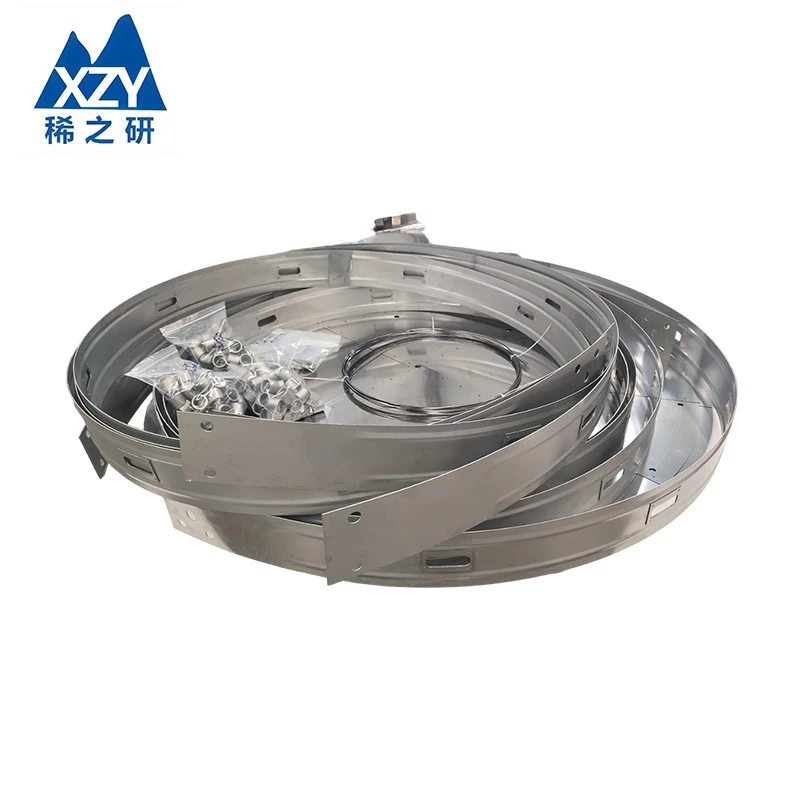
Temperature has a profound effect on the mechanical properties of molybdenum. At room temperature, molybdenum is relatively brittle, and its elongation rate is low. However, as the temperature increases, the mobility of dislocations in the molybdenum lattice increases, leading to improved ductility and a higher elongation rate. In high - temperature applications, such as in Molybdenum Hot Zone, the enhanced elongation rate at elevated temperatures allows the molybdenum components to withstand thermal expansion and contraction without failure.
Manufacturing Process
The manufacturing process of molybdenum rods can also influence their elongation rate. Processes such as hot rolling, forging, and annealing can refine the microstructure of the molybdenum, improve its ductility, and increase the elongation rate. Our manufacturing processes are carefully optimized to produce molybdenum rods with consistent and high - quality mechanical properties.
Significance of Elongation Rate in Practical Applications
The elongation rate of molybdenum rods is crucial in various industrial applications. Here are some examples:
Metal Forming
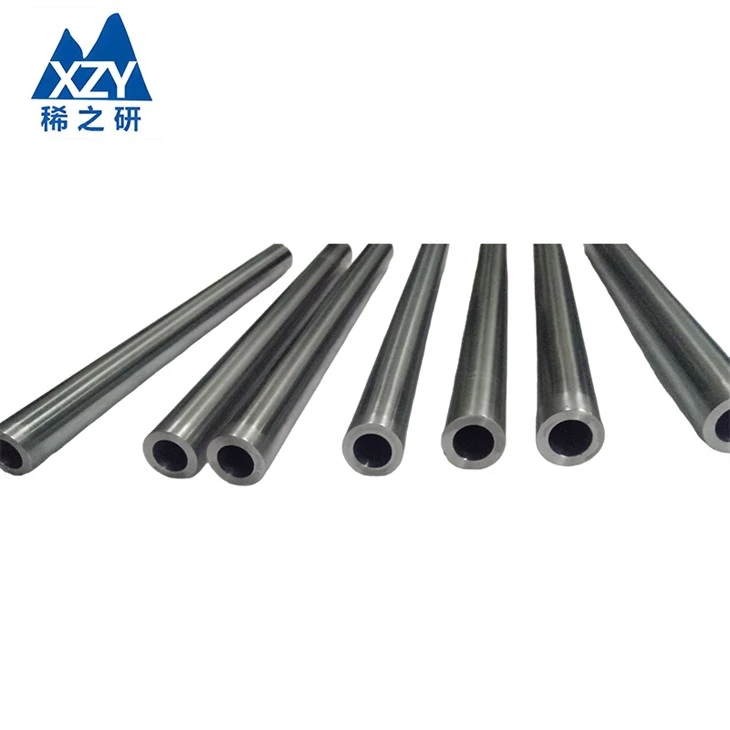
In metal forming processes such as drawing, bending, and extrusion, molybdenum rods need to be deformed into specific shapes. A high elongation rate ensures that the rods can be shaped without cracking or breaking, allowing for the production of complex geometries. For instance, when manufacturing Pure Molybdenum Tube through a drawing process, a molybdenum rod with a sufficient elongation rate can be successfully drawn into a tube with a uniform wall thickness.
Welding and Joining
During welding and joining operations, the molybdenum rods need to be able to withstand the thermal stresses generated. A higher elongation rate helps the material to accommodate these stresses without developing cracks at the weld joints. This is particularly important in applications where the integrity of the welded structure is critical, such as in aerospace and electronics industries.
High - Temperature Applications
In high - temperature environments, the elongation rate of molybdenum rods is essential for their long - term performance. As the temperature fluctuates, the molybdenum components need to expand and contract without failing. A molybdenum rod with a high elongation rate at elevated temperatures can better withstand these thermal cycles, reducing the risk of cracking and ensuring the reliability of the equipment.
Measuring the Elongation Rate of Molybdenum Rods
To measure the elongation rate of molybdenum rods, a standard tensile test is typically conducted. In this test, a specimen of the molybdenum rod is prepared according to relevant standards, such as ASTM or ISO standards. The specimen is then placed in a tensile testing machine, and a gradually increasing tensile force is applied until the specimen breaks. The original and final lengths of the specimen are measured, and the elongation rate is calculated using the formula mentioned earlier.
It is important to note that the testing conditions, such as the testing speed and temperature, can also affect the measured elongation rate. Therefore, it is crucial to conduct the tests under standardized conditions to ensure accurate and comparable results.
Quality Control and Assurance
As a molybdenum rod supplier, we place great emphasis on quality control and assurance. We conduct rigorous testing on our molybdenum rods to ensure that they meet the specified elongation rate requirements. Our quality control procedures include both in - house testing and third - party verification.
We also maintain detailed records of the manufacturing process and test results for each batch of molybdenum rods. This allows us to trace the origin of the material, monitor the consistency of the product quality, and provide our customers with reliable product information.
Conclusion
The elongation rate of a molybdenum rod is a key mechanical property that reflects its ductility and ability to deform plastically under tension. It is influenced by factors such as purity, grain size, temperature, and manufacturing process. Understanding the elongation rate and its significance in practical applications is crucial for selecting the right molybdenum rod for specific industrial needs.
At our company, we are committed to providing high - quality molybdenum rods with excellent elongation rates. Whether you need Pure Molybdenum Rod, Molybdenum Hot Zone, or Pure Molybdenum Tube, we have the expertise and resources to meet your requirements. If you are interested in our products or have any questions about the elongation rate of molybdenum rods, please feel free to contact us for procurement and further discussions.
References
- ASM Handbook Volume 2: Properties and Selection: Nonferrous Alloys and Special - Purpose Materials. ASM International.
- ASTM Standards for Tensile Testing of Metals. ASTM International.


