

Can a pure tungsten rod be welded? This is a question that often arises in the industrial and manufacturing sectors, especially among those who work with high - performance metals. As a supplier of pure tungsten rods, I've encountered this query numerous times, and I'm here to shed some light on the matter.
Properties of Pure Tungsten Rods
Before delving into the welding aspect, it's crucial to understand the properties of pure tungsten rods. Tungsten is a remarkable metal known for its extremely high melting point, which is around 3422°C (6192°F), the highest of all metals. It also has excellent hardness, high density, and good thermal and electrical conductivity. These properties make pure tungsten rods highly sought - after in various applications, such as in the aerospace industry for rocket nozzles, in the electronics industry for electrodes, and in the manufacturing of high - temperature furnaces.
However, these very properties that make tungsten so useful also present challenges when it comes to welding. The high melting point means that a significant amount of energy is required to heat the tungsten to its melting state. Additionally, tungsten is prone to oxidation at high temperatures, which can lead to the formation of brittle oxides on the surface of the welded joint, reducing its strength and integrity.
Welding Methods for Pure Tungsten Rods
There are several welding methods that can be considered for pure tungsten rods, each with its own advantages and limitations.
Tungsten Inert Gas (TIG) Welding
TIG welding is a popular choice for welding tungsten. In TIG welding, an electric arc is established between a non - consumable tungsten electrode and the workpiece. The arc generates enough heat to melt the tungsten rods at the joint. A shielding gas, usually argon, is used to protect the weld area from oxidation.
One of the main advantages of TIG welding is the precise control it offers over the heat input. This is crucial when welding tungsten, as excessive heat can cause grain growth in the tungsten, which weakens the material. However, TIG welding of pure tungsten rods requires a high level of skill and experience. The welder needs to carefully control the arc length, the welding speed, and the gas flow rate to ensure a high - quality weld.
Electron Beam Welding
Electron beam welding is another option for welding pure tungsten rods. In this method, a high - velocity beam of electrons is focused on the joint area. The kinetic energy of the electrons is converted into heat, melting the tungsten. Electron beam welding can achieve very high welding speeds and can produce deep, narrow welds with minimal heat - affected zones.
The advantage of electron beam welding is its ability to weld tungsten in a vacuum environment. This eliminates the problem of oxidation, as there is no oxygen present in the vacuum. However, electron beam welding equipment is expensive and requires a high - level of technical expertise to operate.
Laser Welding
Laser welding uses a high - intensity laser beam to melt the tungsten at the joint. Laser welding offers several advantages, such as high precision, minimal heat input, and the ability to weld in difficult - to - reach areas. It can also be automated, which is beneficial for mass production.
Similar to electron beam welding, laser welding can be carried out in an inert gas environment to prevent oxidation. However, the initial investment in laser welding equipment is high, and the process is sensitive to surface contaminants on the tungsten rods.
Challenges in Welding Pure Tungsten Rods
Despite the available welding methods, there are still several challenges in welding pure tungsten rods.
Oxidation
As mentioned earlier, oxidation is a major problem when welding tungsten. Even a small amount of oxygen in the welding environment can react with the tungsten at high temperatures to form tungsten oxides. These oxides are brittle and can cause cracks in the welded joint, reducing its strength and reliability. To overcome this challenge, it is essential to use a proper shielding gas or carry out the welding in a vacuum environment.
Grain Growth
Excessive heat during welding can cause grain growth in the tungsten. Large grains in the welded joint can lead to reduced strength and ductility. Controlling the heat input is crucial to minimize grain growth. This can be achieved by using low - heat - input welding methods and by pre - heating and post - heating the tungsten rods appropriately.
Cracking
Cracking can occur in the welded joint due to residual stresses. These stresses are generated during the welding process as the tungsten cools and contracts. To prevent cracking, it is important to use proper welding techniques, such as pre - heating the tungsten rods before welding and using a slow cooling rate after welding.
Applications of Welded Pure Tungsten Rods
Welded pure tungsten rods have a wide range of applications. In the aerospace industry, they are used in the construction of high - temperature components, such as turbine blades and rocket engine parts. The ability to weld tungsten rods allows for the fabrication of complex shapes and structures that are required in these applications.
In the electronics industry, welded tungsten rods are used as electrodes in various electronic devices. The high melting point and good electrical conductivity of tungsten make it an ideal material for electrodes. Welding allows for the connection of tungsten rods to other components in the device.
Our Offerings as a Pure Tungsten Rod Supplier
As a supplier of pure tungsten rods, we understand the importance of providing high - quality products that can be welded successfully. We offer a wide range of pure tungsten rods with different diameters and lengths to meet the diverse needs of our customers. Our tungsten rods are made from high - purity tungsten, ensuring excellent physical and chemical properties.
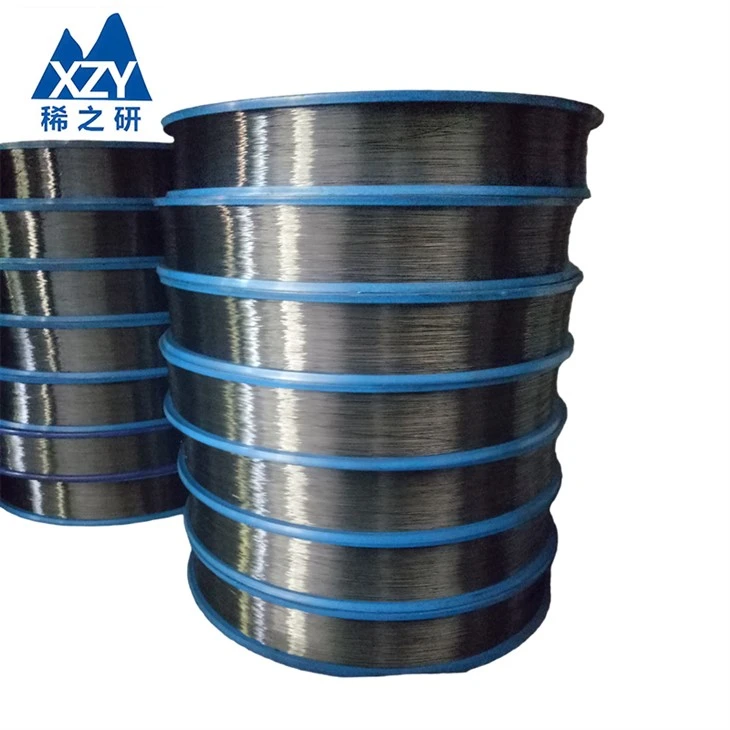
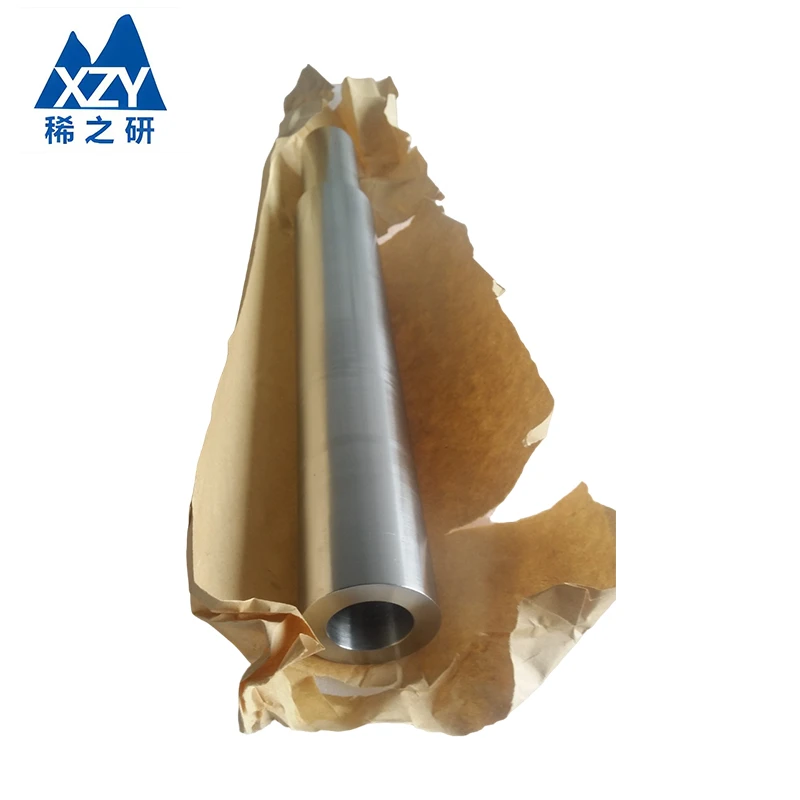
In addition to pure tungsten rods, we also supply related products such as Pure Tungsten Wire, Tungsten Fasteners, and Pure Tungsten Tube. These products can be used in conjunction with our pure tungsten rods in various applications.
If you are interested in purchasing pure tungsten rods or have any questions about welding them, we are here to help. Our team of experts can provide technical support and advice on the best welding methods for your specific application. We are committed to providing our customers with the highest level of service and the best - quality products.
Conclusion
In conclusion, while welding pure tungsten rods is challenging due to their high melting point, susceptibility to oxidation, and other factors, it is possible with the right welding methods and techniques. TIG welding, electron beam welding, and laser welding are all viable options, each with its own pros and cons. As a pure tungsten rod supplier, we are dedicated to providing high - quality products and technical support to help our customers achieve successful welding results. If you are considering using pure tungsten rods in your projects and need to weld them, feel free to contact us for more information and to discuss your specific requirements.
References
- Davis, J.R. (Ed.). (2004). Tungsten: Properties, Processing, and Applications. ASM International.
- Lienert, T.J., & Goldak, J.A. (2006). Welding Processes Handbook. CRC Press.
- Kou, S. (2003). Welding Metallurgy. Wiley - Interscience.


