

Hey there! As a supplier of tungsten bars, I often get asked some pretty interesting questions. One of the most common ones is, "Can a tungsten bar be used in the medical field?" And let me tell you, it's a question that opens up a whole can of worms!
First off, let's talk a bit about tungsten. Tungsten is one tough cookie. It's got the highest melting point of any metal out there, which means it can handle some seriously high temperatures without breaking a sweat. It's also super dense, which gives it unique physical properties. These characteristics make tungsten useful in a bunch of different industries, but what about the medical field?
One of the key areas where tungsten might find its way into the medical world is in radiation shielding. When it comes to dealing with radiation in medical procedures like X - rays, CT scans, and radiation therapy, shielding is crucial. You want to protect the patient and the medical staff from unnecessary exposure. Tungsten's high density makes it a great candidate for this job. Compared to lead, which has been the traditional go - to material for radiation shielding, tungsten is more environmentally friendly. Lead can be toxic, and if it's not managed properly, it can pose a serious health risk. Tungsten, on the other hand, is a safer alternative.
Tungsten bars can be fabricated into custom - shaped shielding devices. For example, they can be made into aprons or thyroid shields that medical professionals wear during procedures. These shields can absorb a significant amount of radiation, reducing the risk of long - term damage. I've seen medical facilities starting to look into tungsten - based shielding solutions, and it's a trend that I think is only going to grow.
Another potential application of tungsten bars in the medical field is in surgical instruments. Tungsten is extremely hard and has excellent wear resistance. This means that surgical tools made from tungsten can stay sharp for a long time. Imagine a surgeon using a scalpel that doesn't dull easily during a long and complex operation. It could make a huge difference in the precision of the procedure. Tungsten can also be alloyed with other metals to create materials with specific properties that are ideal for different types of surgical instruments.

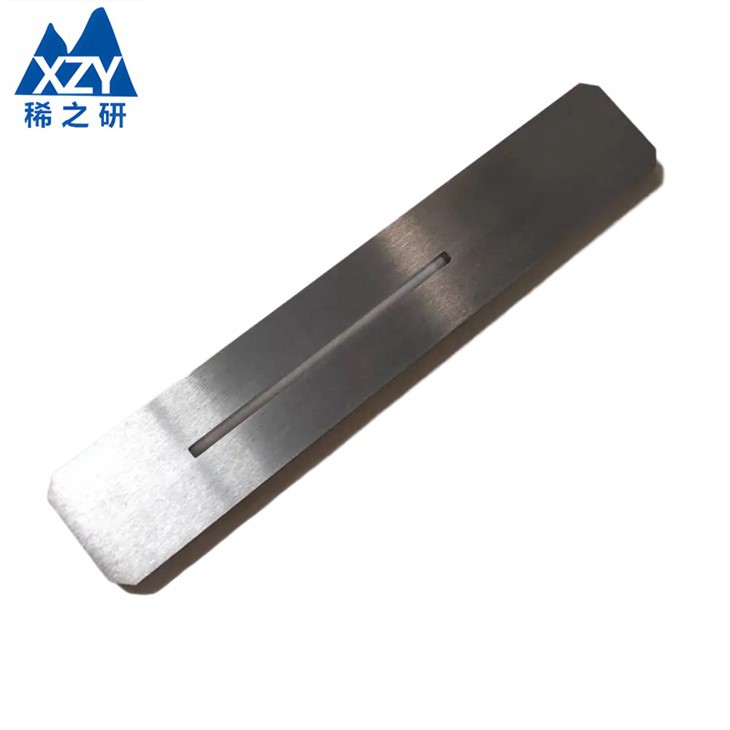
Now, let's touch on some of the products related to tungsten that we offer. We have Tungsten Sputtering Target. These are used in thin - film deposition processes, which are important in the manufacturing of medical devices. For example, some medical sensors and diagnostic equipment rely on thin - film coatings, and tungsten sputtering targets can be used to deposit high - quality tungsten films.
We also have Tungsten Fasteners. In the medical field, where precision is key, these fasteners can be used in the assembly of medical equipment. Their high strength and durability ensure that the equipment stays together and functions properly. And then there are Tungsten Balance Weight. These can be used in medical devices that require precise balancing, such as some types of surgical robots or imaging equipment.
But it's not all smooth sailing. There are some challenges to using tungsten in the medical field. One of the main drawbacks is the cost. Tungsten is more expensive than some other materials commonly used in the medical industry, like stainless steel. This can make it a less attractive option for some medical facilities, especially those on a tight budget.
Another issue is the difficulty of machining tungsten. Because it's so hard, it can be tricky to shape tungsten bars into the exact forms needed for medical applications. Specialized equipment and skilled operators are required, which adds to the overall cost of production.
Despite these challenges, the potential benefits of using tungsten in the medical field are hard to ignore. As technology advances and the demand for more effective and safe medical solutions grows, I believe that the use of tungsten will become more widespread.
If you're a medical professional or a medical equipment manufacturer, and you're interested in exploring the possibilities of using tungsten bars or our other tungsten products in your work, I'd love to have a chat with you. We can discuss your specific needs and see how we can provide the best solutions for you. Whether it's radiation shielding, surgical instruments, or something else entirely, we're here to help.
In conclusion, while there are some obstacles to overcome, tungsten bars definitely have a place in the medical field. Their unique properties make them a valuable asset, and as the industry evolves, we're likely to see more and more innovative applications of tungsten. So, if you're looking for a high - quality tungsten supplier, don't hesitate to reach out. We're ready to work with you to bring the benefits of tungsten to the medical world.
References
- "Materials Science for Medical Applications" - A comprehensive textbook on materials used in the medical field.
- "Radiation Shielding Technologies" - Journal articles discussing different materials for radiation protection.
- Industry reports on the use of tungsten in various sectors, including medical.
