

As a supplier of pure tungsten rods, I've witnessed firsthand the transformative power of heat treatment on these remarkable materials. Tungsten, with its high melting point, excellent strength, and resistance to wear and corrosion, is a material of choice in numerous high - performance applications. Heat treatment, a process that involves heating and cooling the material under controlled conditions, can significantly alter the properties of pure tungsten rods, making them suitable for a wider range of uses.
The Basics of Tungsten Heat Treatment
Heat treatment of pure tungsten rods typically involves three main stages: heating, soaking, and cooling. During the heating stage, the tungsten rod is gradually raised to a specific temperature. This temperature is carefully selected based on the desired properties of the final product. The soaking stage follows, where the rod is held at the elevated temperature for a certain period. This allows the internal structure of the tungsten to reach a state of equilibrium, promoting uniform changes throughout the material. Finally, the cooling stage begins, and the rate of cooling can have a profound impact on the rod's properties.
Effects on Mechanical Properties
One of the most significant impacts of heat treatment on pure tungsten rods is on their mechanical properties.
Hardness
Heat treatment can increase the hardness of pure tungsten rods. When tungsten is heated to a high temperature and then rapidly cooled (quenching), the formation of fine - grained microstructures occurs. These fine grains act as barriers to the movement of dislocations within the material, making it more difficult for the material to deform. As a result, the hardness of the tungsten rod increases. This enhanced hardness is beneficial in applications where the rod will be subjected to high levels of wear, such as in cutting tools or dies. For example, in the manufacturing of metal - cutting tools, a harder tungsten rod can maintain its sharp edge for a longer time, improving the tool's performance and lifespan.
Strength
The strength of pure tungsten rods can also be improved through heat treatment. By controlling the heating and cooling processes, we can manipulate the grain size and the distribution of phases within the tungsten. A fine - grained structure generally leads to higher strength, as the small grains prevent the propagation of cracks. Additionally, heat treatment can induce the precipitation of certain phases, which can further strengthen the material. In aerospace applications, where components need to withstand high stresses and loads, heat - treated tungsten rods can provide the necessary strength and reliability.
Ductility
However, heat treatment can also have an impact on the ductility of pure tungsten rods. In some cases, rapid cooling can make the tungsten more brittle, reducing its ductility. But through a process called tempering, which involves reheating the quenched rod to a lower temperature and then cooling it slowly, we can restore some of the ductility while still maintaining a relatively high level of hardness and strength. This balance between hardness, strength, and ductility is crucial in applications where the rod needs to be formed or bent without breaking, such as in the production of electrical contacts.
Effects on Physical Properties
Heat treatment also affects the physical properties of pure tungsten rods.
Electrical Conductivity
The electrical conductivity of tungsten is closely related to its microstructure. Heat treatment can influence the arrangement of atoms within the material, which in turn affects its electrical conductivity. Generally, a well - annealed tungsten rod (heated to a high temperature and then slowly cooled) has a more ordered atomic structure, which allows for better electron flow. This results in higher electrical conductivity. In electrical applications, such as in the manufacture of high - power electrical contacts or filaments, a tungsten rod with high electrical conductivity is essential for efficient energy transfer.
Thermal Conductivity
Similar to electrical conductivity, the thermal conductivity of pure tungsten rods is also affected by heat treatment. A properly heat - treated tungsten rod has a more uniform microstructure, which facilitates the transfer of heat. High thermal conductivity is important in applications where the rod needs to dissipate heat quickly, such as in heat sinks for electronic devices. For instance, in high - performance computers, heat - treated tungsten rods can be used as heat - conducting components to prevent overheating of sensitive electronic parts.

Effects on Chemical Properties
Heat treatment can also play a role in the chemical properties of pure tungsten rods.
Corrosion Resistance
The surface of a heat - treated tungsten rod can have different chemical reactivity compared to an untreated one. In some cases, heat treatment can form a protective oxide layer on the surface of the rod, which enhances its corrosion resistance. This is particularly important in environments where the rod will be exposed to corrosive substances, such as in the chemical industry. For example, in chemical processing plants, heat - treated tungsten rods can be used in equipment that comes into contact with acids or alkalis, as they are more resistant to corrosion and can prevent the degradation of the equipment.
Applications of Heat - Treated Pure Tungsten Rods
The altered properties of heat - treated pure tungsten rods open up a wide range of applications.
Electronics
In the electronics industry, heat - treated tungsten rods are used in various components. Their high electrical and thermal conductivity, combined with their hardness and strength, make them ideal for use in semiconductor manufacturing equipment. For example, they can be used as electrodes in plasma - etching processes, where they need to withstand high temperatures and chemical reactions. Moreover, in the production of high - power vacuum tubes, heat - treated tungsten rods are used as filaments due to their ability to emit electrons efficiently at high temperatures.
Aerospace
The aerospace sector also benefits greatly from heat - treated pure tungsten rods. Their high strength - to - weight ratio and excellent resistance to high temperatures make them suitable for use in rocket nozzles, turbine blades, and other critical components. In rocket nozzles, the heat - treated tungsten rods can withstand the extreme heat and pressure generated during rocket launches, ensuring the reliable operation of the rocket.
Medical
In the medical field, heat - treated tungsten rods are used in radiation shielding applications. Their high density and ability to absorb radiation make them an effective material for protecting patients and medical staff from harmful radiation. For example, in X - ray machines and radiation therapy equipment, tungsten rods can be used to construct shielding components to contain the radiation within the desired area.
Related Products
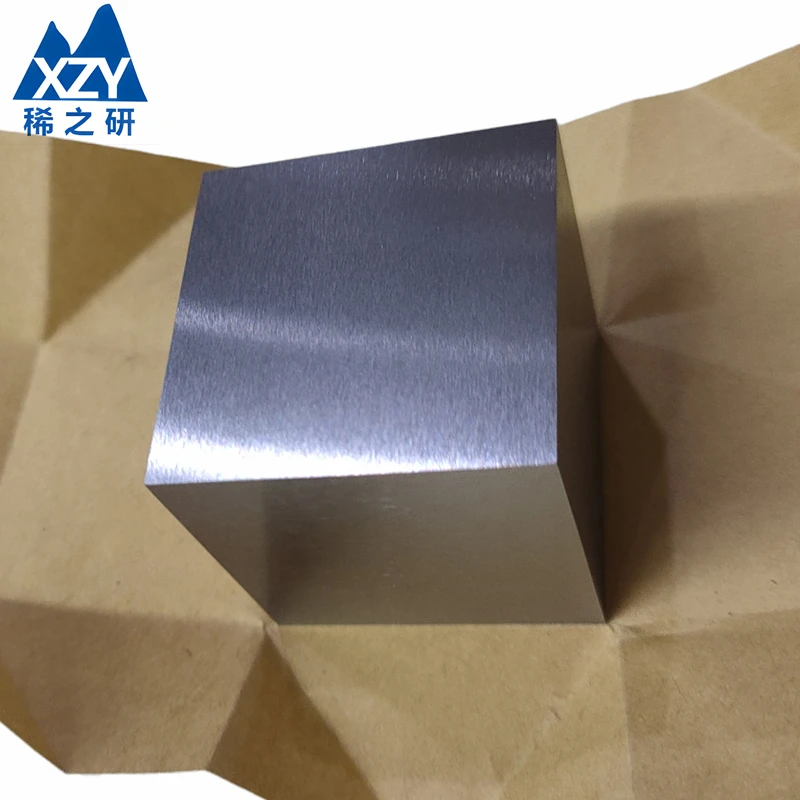
If you are interested in other tungsten products, we also offer Pure Tungsten Sheet, Tungsten Threaded Rod, and Pure Tungsten Block. These products also undergo strict quality control and can be customized according to your specific requirements.
Conclusion
In conclusion, heat treatment is a powerful tool for modifying the properties of pure tungsten rods. By carefully controlling the heating and cooling processes, we can tailor the hardness, strength, ductility, electrical conductivity, thermal conductivity, and corrosion resistance of the rods to meet the specific needs of different applications. Whether you are in the electronics, aerospace, medical, or other industries, heat - treated pure tungsten rods can offer unique advantages.
If you are interested in purchasing pure tungsten rods or have any questions about heat - treated tungsten products, please feel free to contact us for a detailed discussion. We are committed to providing high - quality products and excellent customer service to meet your specific requirements.
References
- ASM Handbook Volume 4: Heat Treating. ASM International.
- Tungsten: Properties, Chemistry, Technology of the Element, Alloys, and Chemical Compounds. Edited by R. Kieffer, F. Benesovsky, and E. Lassner.
- Materials Science and Engineering: An Introduction. William D. Callister, Jr. and David G. Rethwisch.


