

As a tungsten plate supplier, I've dealt with the issue of tungsten plate oxidation countless times. Oxidation can significantly affect the quality and performance of tungsten plates, so it's crucial to know how to prevent it. In this blog, I'll share some practical tips and methods based on my years of experience in the industry.
Understanding Tungsten Oxidation
First off, let's understand what causes tungsten oxidation. Tungsten is a refractory metal with high melting and boiling points, but it can react with oxygen in the air under certain conditions. When tungsten comes into contact with oxygen at elevated temperatures, a tungsten oxide layer forms on its surface. This oxide layer can be brittle and may flake off, leading to a loss of material and a decrease in the mechanical properties of the tungsten plate.
The oxidation rate of tungsten depends on several factors, including temperature, oxygen concentration, and the presence of impurities. Generally, the higher the temperature and oxygen concentration, the faster the oxidation process. Impurities in the tungsten plate can also act as catalysts, accelerating the oxidation reaction.
Preventive Measures
1. Controlling the Storage Environment
One of the simplest ways to prevent tungsten plate oxidation is to control the storage environment. Tungsten plates should be stored in a dry, low-oxygen environment. A humidity-controlled storage room or a sealed container filled with an inert gas like argon can be effective. The ideal humidity level for storing tungsten plates is below 30%. You can use a dehumidifier to maintain the appropriate humidity.
For long-term storage, it's also a good idea to coat the tungsten plates with a thin layer of protective oil. This oil acts as a barrier between the tungsten surface and the oxygen in the air, preventing oxidation. Just make sure to clean the oil off before using the plates.
2. Using Protective Coatings
Applying a protective coating to the tungsten plates is another effective method. There are several types of coatings that can be used, such as ceramic coatings and metallic coatings.
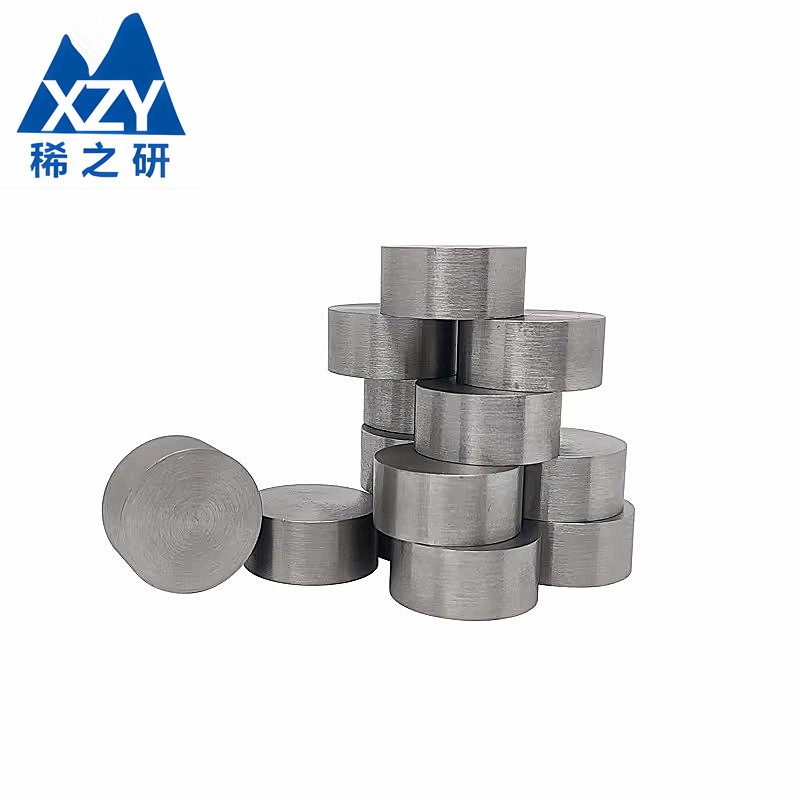

Ceramic coatings, like alumina or zirconia, have excellent oxidation resistance. They can form a dense, stable layer on the tungsten surface, preventing oxygen from reaching the metal. These coatings can be applied using techniques like chemical vapor deposition (CVD) or physical vapor deposition (PVD).
Metallic coatings, such as nickel or chromium, can also provide good protection. They can be applied through electroplating or thermal spraying. However, you need to choose the coating material carefully, as some metals may react with tungsten at high temperatures.
3. Heat Treatment in Inert Atmospheres
If you need to heat-treat the tungsten plates, it's essential to do it in an inert atmosphere. An inert gas like argon or nitrogen can be used to displace the oxygen in the furnace. This prevents the tungsten from oxidizing during the heat treatment process.
Before starting the heat treatment, make sure the furnace is thoroughly purged with the inert gas. The flow rate of the gas should be sufficient to maintain a positive pressure inside the furnace, preventing air from leaking in.
4. Minimizing Exposure to Oxygen during Processing
During the machining and fabrication of tungsten plates, it's important to minimize their exposure to oxygen. For example, when cutting or grinding tungsten plates, use a coolant to reduce the temperature and prevent oxidation. The coolant can also flush away the metal chips, which may oxidize quickly if left on the surface.
In addition, try to complete the processing steps as quickly as possible. The longer the tungsten plates are exposed to the air, the higher the risk of oxidation.
Applications of Tungsten Plates and Related Products
Tungsten plates have a wide range of applications in various industries. They are commonly used in the electronics industry for making Tungsten Fasteners, which require high strength and good corrosion resistance. In the aerospace industry, tungsten plates are used to make Tungsten Balance Weight due to their high density and stability.
Another important application is in the heating element industry. Pure Tungsten Heating Element are known for their high melting point and excellent electrical conductivity. However, to ensure their long service life, preventing oxidation is crucial.
Conclusion
Preventing the oxidation of tungsten plates is essential for maintaining their quality and performance. By controlling the storage environment, using protective coatings, heat-treating in inert atmospheres, and minimizing exposure to oxygen during processing, you can effectively reduce the risk of oxidation.
As a tungsten plate supplier, I'm committed to providing high-quality products and sharing my knowledge with my customers. If you have any questions about tungsten plates or need help with preventing oxidation, feel free to contact me for further discussion and potential procurement.
References
- "Tungsten: Properties, Chemistry, Technology of the Element, Alloys, and Chemical Compounds" by R. Kieffer and F. Benesovsky.
- "Handbook of Refractory Metals" edited by C. A. Hampel.
