

Testing the quality of pure tungsten wire is a crucial process for both suppliers and users. As a supplier of pure tungsten wire, I understand the significance of ensuring that our products meet the highest standards. In this blog, I will share some effective methods to test the quality of pure tungsten wire, which can help you make informed decisions when purchasing this valuable material.
Physical Appearance Inspection
The first step in testing the quality of pure tungsten wire is a visual inspection. High - quality pure tungsten wire should have a smooth and uniform surface. Any visible cracks, scratches, or unevenness can indicate potential quality issues. These surface defects may weaken the wire, making it more prone to breakage during use. For example, if you are using the pure tungsten wire in a Pure Tungsten Heating Element, a crack in the wire could lead to uneven heating and ultimately, failure of the heating element.
In addition to surface defects, check the color of the wire. Pure tungsten wire typically has a silver - gray metallic luster. A discolored wire may have been exposed to contaminants or undergone improper heat treatment. For instance, if the wire has a yellowish or brownish tint, it could be a sign of oxidation, which can affect its performance and durability.
Diameter and Tolerance Measurement
Accurate diameter measurement is essential for pure tungsten wire. The diameter of the wire directly affects its electrical and mechanical properties. You can use a micrometer or a caliper to measure the diameter of the wire at multiple points along its length. Make sure to measure at different positions to ensure that the wire has a consistent diameter.
The tolerance of the diameter is also an important factor. High - quality pure tungsten wire should have a tight diameter tolerance. A large variation in diameter can lead to inconsistent electrical resistance, which is a critical parameter in many applications. For example, in electronic devices, inconsistent resistance can cause malfunctions or reduced performance.
Density Testing
Density is a characteristic property of pure tungsten. By measuring the density of the wire, you can determine its purity. The theoretical density of pure tungsten is approximately 19.25 g/cm³. To measure the density, you need to accurately measure the mass and volume of the wire sample.
First, weigh the wire sample using a precise balance. Then, measure the volume of the wire. One way to do this is by using the water displacement method. Place a known volume of water in a graduated cylinder, immerse the wire sample in the water, and measure the increase in volume. Divide the mass of the wire by its volume to calculate the density. If the measured density is close to the theoretical value, it indicates a high - purity tungsten wire.
Electrical Resistance Measurement
Electrical resistance is a key parameter for pure tungsten wire, especially in applications where it is used as a conductor. You can use a multimeter to measure the electrical resistance of the wire. Connect the multimeter probes to the two ends of the wire sample and record the resistance value.
The resistance of the wire is affected by its length, cross - sectional area, and temperature. For a given length and cross - sectional area, the resistance of pure tungsten wire should be consistent. Deviations from the expected resistance value can indicate impurities or structural defects in the wire.
It is important to note that the resistance of tungsten wire changes with temperature. To obtain accurate results, you may need to measure the resistance at a specific temperature or use a temperature - compensated measurement method.
Tensile Strength Testing
Tensile strength is a measure of the maximum stress that the wire can withstand before breaking. To test the tensile strength of pure tungsten wire, you can use a tensile testing machine. The wire sample is clamped at both ends, and a gradually increasing tensile force is applied until the wire breaks.
The tensile strength of high - quality pure tungsten wire should be within a certain range. A lower than expected tensile strength may indicate impurities or improper manufacturing processes. On the other hand, an extremely high tensile strength may suggest that the wire has been over - hardened, which can make it brittle and more likely to break under stress.
Chemical Analysis
Chemical analysis is the most direct way to determine the purity of pure tungsten wire. There are several methods available for chemical analysis, such as X - ray fluorescence (XRF) analysis and inductively coupled plasma mass spectrometry (ICP - MS).
XRF analysis is a non - destructive method that can quickly provide information about the elemental composition of the wire. It can detect the presence of impurities such as iron, nickel, and copper. ICP - MS, on the other hand, is a more sensitive and accurate method. It can detect trace amounts of impurities in the wire, which is crucial for applications that require high - purity tungsten.
Microstructure Examination
The microstructure of pure tungsten wire can provide valuable information about its quality. You can use a metallurgical microscope to examine the microstructure of the wire. A well - annealed pure tungsten wire should have a fine - grained structure.
Large grains in the microstructure can indicate improper heat treatment or slow cooling during the manufacturing process. A coarse - grained structure can make the wire more brittle and reduce its mechanical properties. In addition, the presence of inclusions or voids in the microstructure can also affect the performance of the wire.
Conclusion
Testing the quality of pure tungsten wire is a comprehensive process that involves multiple aspects. By conducting physical appearance inspection, diameter and tolerance measurement, density testing, electrical resistance measurement, tensile strength testing, chemical analysis, and microstructure examination, you can ensure that the pure tungsten wire you purchase meets your requirements.
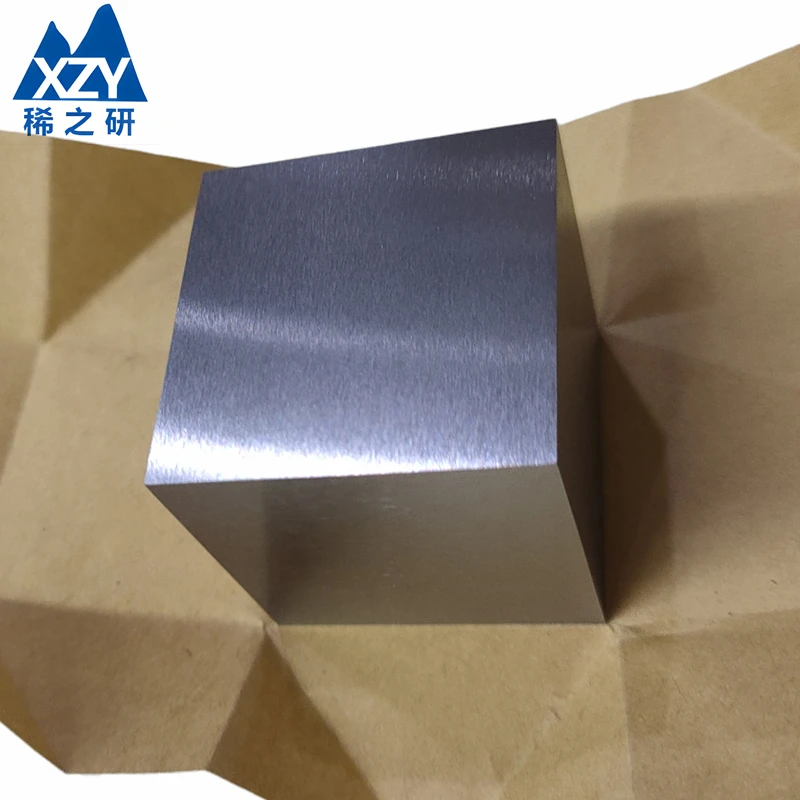
As a supplier of pure tungsten wire, we are committed to providing high - quality products. Our pure tungsten wire is carefully manufactured and rigorously tested to ensure its purity, consistency, and performance. Whether you need Pure Tungsten Block for industrial applications or Pure Tungsten Tube for specialized projects, we have the products to meet your needs.

If you are interested in our pure tungsten wire or other tungsten products, please feel free to contact us for more information and to discuss your specific requirements. We look forward to working with you and providing you with the best solutions for your projects.
References
- "Tungsten: Properties, Chemistry, Technology of the Element, Alloys, and Chemical Compounds" by R. Kieffer and F. Benesovsky.
- "Handbook of Tungsten: Properties, Chemistry, Technology of the Element, Alloys, and Chemical Compounds" edited by E. Lassner and W. D. Schubert.
- ASTM standards related to tungsten and tungsten alloys for detailed testing procedures and specifications.


