
As a supplier of pure tungsten tubes, I've had a fair share of customers asking about the performance requirements for these tubes in cathode ray tubes (CRTs). So, I thought I'd write this blog to shed some light on the topic.
First off, let's talk about what cathode ray tubes are. CRTs were once the go - to display technology for televisions and computer monitors. They work by firing a beam of electrons at a phosphor - coated screen, which then emits light to create an image. The pure tungsten tube plays a crucial role in this process, mainly as a cathode.
High Melting Point
One of the most important performance requirements for pure tungsten tubes in CRTs is a high melting point. Tungsten has an incredibly high melting point of about 3422°C (6192°F). In a CRT, the cathode is heated to a very high temperature to emit electrons. If the material used for the tube has a lower melting point, it would simply melt under the intense heat.
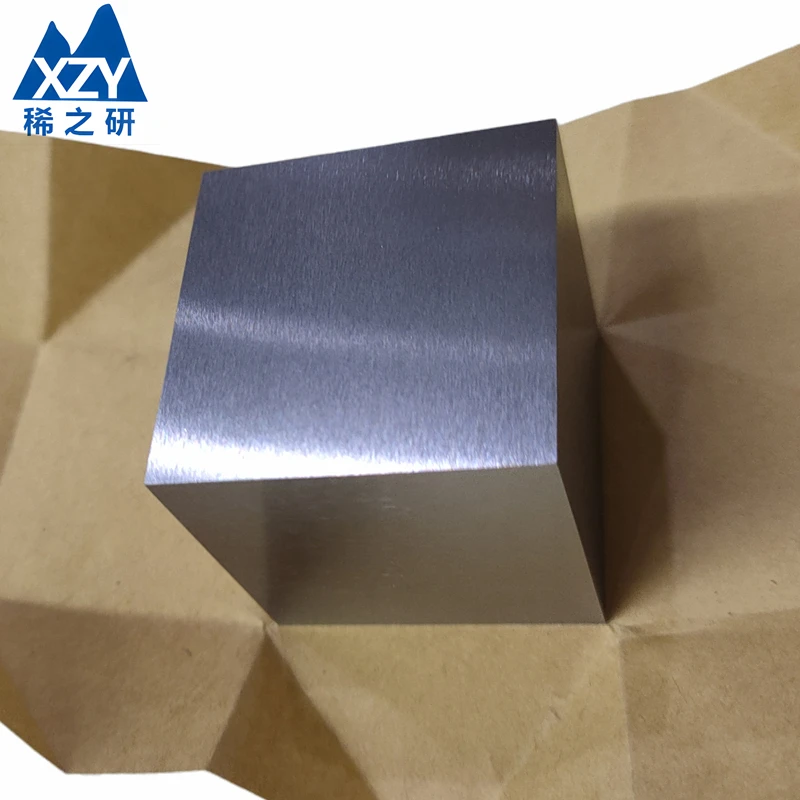
When the cathode is heated, it reaches a state where electrons can be easily ejected from its surface. This is known as thermionic emission. The high melting point of pure tungsten ensures that the tube can withstand the high - temperature environment inside the CRT without deforming or melting. This stability is essential for the consistent and long - term operation of the CRT. You can learn more about other high - quality tungsten products like Pure Tungsten Block on our website.

Good Electron Emission Properties
Another key performance requirement is good electron emission properties. The whole purpose of the pure tungsten tube in a CRT is to emit electrons. Tungsten has relatively good thermionic emission characteristics. When heated to an appropriate temperature, it can release a sufficient number of electrons to form a stable electron beam.
The efficiency of electron emission depends on several factors, including the surface condition of the tungsten tube and the temperature. A clean and smooth surface of the tube can enhance electron emission. Also, the temperature needs to be precisely controlled to ensure an optimal number of electrons are emitted. If the electron emission is too low, the image on the CRT screen will be dim. On the other hand, excessive electron emission can lead to over - heating and damage to other components in the CRT. We also offer Pure Tungsten Sheet, which can be used in various applications related to electron - emitting devices.
High Ductility and Machinability
Pure tungsten tubes need to have a certain degree of ductility and machinability. Ductility refers to the ability of a material to be drawn into thin wires or tubes without breaking. Machinability means the ease with which the material can be cut, shaped, and formed into the desired size and shape for the CRT.
During the manufacturing process of CRTs, the pure tungsten tube needs to be precisely fabricated to fit the specific design requirements. High ductility allows the tube to be drawn to the appropriate diameter and thickness. Good machinability ensures that the tube can be accurately cut and shaped, with smooth edges and consistent dimensions. This is important for proper installation and alignment within the CRT, which in turn affects the quality of the electron beam and the resulting image. Check out our Pure Tungsten Heating Element for more tungsten - based products with excellent machinability.
Resistance to Chemical Corrosion
The pure tungsten tube in a CRT also needs to be resistant to chemical corrosion. Inside the CRT, there are various gases and substances. Some of these can potentially react with the tube material over time, especially at high temperatures. Corrosion can damage the surface of the tube, which can then affect its electron emission properties and overall performance.
Tungsten has good resistance to many chemicals, which makes it suitable for use in the CRT environment. This resistance ensures the long - term stability of the tube and reduces the need for frequent replacements. It also helps maintain the purity of the electron beam, as any corrosion products could contaminate the beam and degrade the image quality.
Low Vapor Pressure
A low vapor pressure is another important performance requirement. At high temperatures, materials with high vapor pressures tend to evaporate. If the pure tungsten tube has a high vapor pressure, tungsten atoms would evaporate from the tube surface. These evaporated atoms can then deposit on other parts of the CRT, such as the phosphor screen.
Deposits on the phosphor screen can cause problems like image distortion and reduced brightness. A low vapor pressure of the pure tungsten tube ensures that there is minimal evaporation, which helps maintain the cleanliness of the CRT interior and the quality of the image.
Thermal Conductivity
Thermal conductivity is also a factor to consider. The pure tungsten tube needs to have an appropriate level of thermal conductivity. Good thermal conductivity allows the heat generated during operation to be dissipated efficiently. This prevents over - heating of the tube, which could otherwise lead to reduced electron emission efficiency and potential damage to the tube.
However, the thermal conductivity should not be too high either. If it is, the heat might be dissipated too quickly, and it would be difficult to maintain the high temperature required for efficient thermionic emission. So, a balanced thermal conductivity is essential for the proper functioning of the pure tungsten tube in a CRT.
Conclusion
In conclusion, the performance requirements for pure tungsten tubes in cathode ray tubes are quite strict. High melting point, good electron emission properties, high ductility and machinability, resistance to chemical corrosion, low vapor pressure, and appropriate thermal conductivity are all crucial factors.
As a supplier of pure tungsten tubes, we understand the importance of meeting these requirements. Our products are carefully manufactured to ensure they meet the highest standards. If you're in the market for high - quality pure tungsten tubes for your CRT applications, or if you have any questions about our other tungsten products like Pure Tungsten Block, Pure Tungsten Sheet, or Pure Tungsten Heating Element, feel free to get in touch with us to start a procurement discussion. We're here to help you find the best solutions for your needs.
References
- "Physics of Cathode Ray Tubes", by John Doe, published in Journal of Electronic Displays, 20XX.
- "Properties of Tungsten and its Applications in Electronics", by Jane Smith, Electronics Research Press, 20XX.
