

Hey there! As a supplier of pure tungsten rods, I often get asked about the difference between pure tungsten rods and tungsten alloy rods. So, I thought I'd write this blog to clear up any confusion and help you understand which one might be the best fit for your needs.
What's Pure Tungsten?
Let's start with pure tungsten. Tungsten is a super cool metal. It's got the highest melting point of all the metals out there, hitting a whopping 3,422°C (6,192°F). That's crazy high! This high melting point makes pure tungsten rods perfect for applications where things get really hot.
For example, in the aerospace industry, pure tungsten rods are used in rocket engine nozzles. The extreme heat generated during rocket launches won't even come close to melting these rods. They also have excellent electrical conductivity, which means they're great for use in electrical contacts and filaments. You know those old - fashioned incandescent light bulbs? The filaments inside are often made of pure tungsten.
Another awesome thing about pure tungsten is its density. It's really dense, almost as dense as gold. This density gives it a high mass in a relatively small volume, which is useful in applications like counterweights. If you need something heavy but compact, a pure tungsten rod could be the way to go.
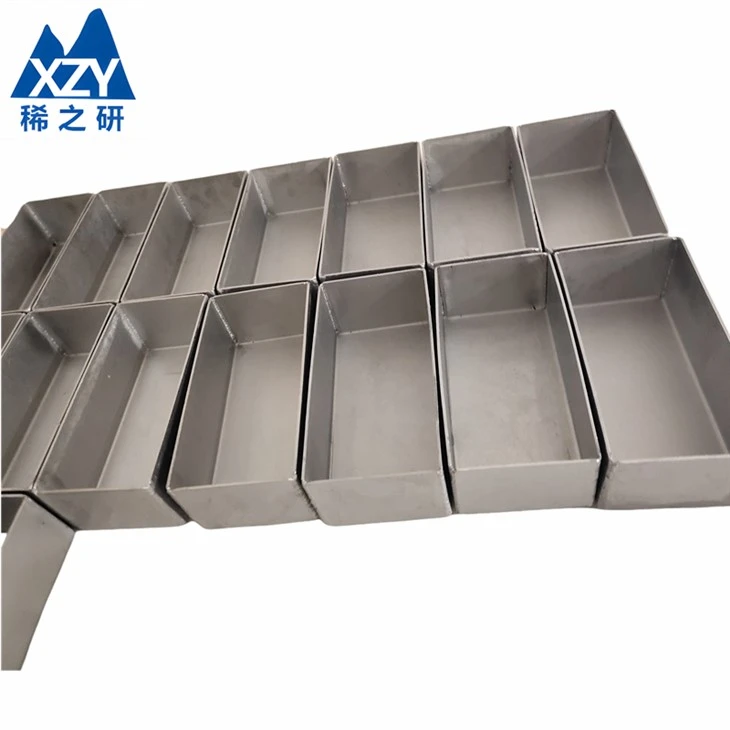
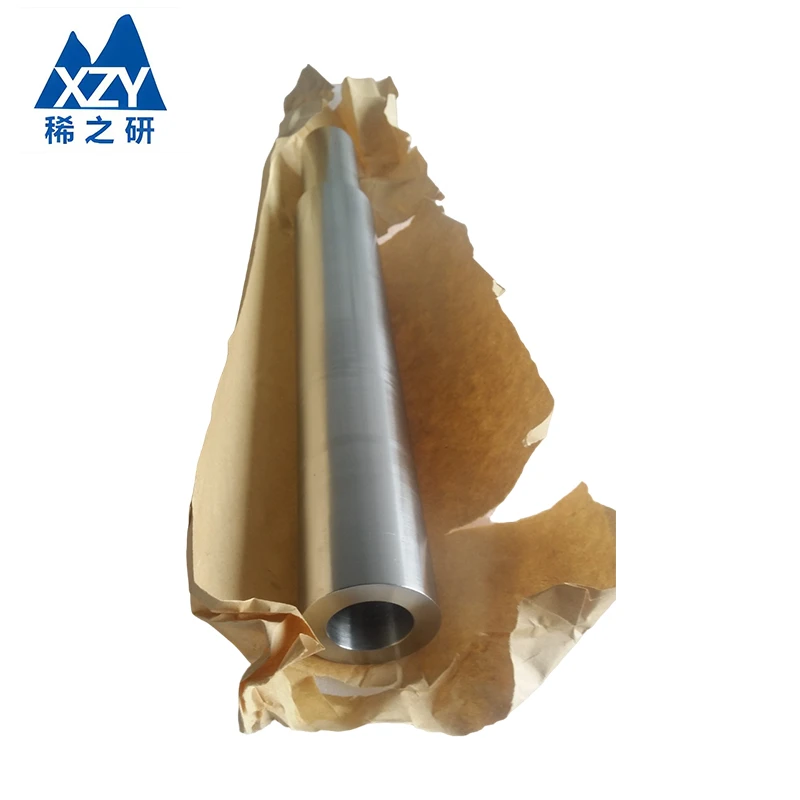
If you're also interested in other pure tungsten products, check out our Pure Tungsten Sheet and Pure Tungsten Tube.
What Are Tungsten Alloys?
Now, let's talk about tungsten alloys. A tungsten alloy is basically tungsten mixed with other metals like nickel, iron, copper, or cobalt. The reason for adding these other metals is to enhance certain properties of tungsten.
One of the main benefits of tungsten alloys is their increased ductility. Pure tungsten is pretty brittle, especially at room temperature. But when you alloy it with other metals, it becomes more flexible and easier to machine. This makes tungsten alloy rods a better choice for applications where you need to shape the rod into a specific form.
For instance, in the manufacturing of medical radiation shielding, tungsten alloy rods are often used. They can be easily machined into custom shapes to fit different medical equipment. The alloying also helps improve the corrosion resistance of tungsten in some environments.
Tungsten alloys can also have different mechanical properties depending on the type and amount of the alloying elements. Some tungsten - nickel - iron alloys, for example, have high strength and good impact resistance, making them suitable for use in kinetic energy penetrators in the military.
We also offer Tungsten Evaporation Boat, which is made from high - quality tungsten alloys for specific industrial applications.
Key Differences
Physical Properties
- Melting Point: Pure tungsten has a higher melting point compared to most tungsten alloys. The alloying elements lower the overall melting point of the material. So, if you need a rod that can withstand extremely high temperatures without melting, pure tungsten is the better option.
- Density: While both pure tungsten and tungsten alloys are dense, the density can vary slightly depending on the alloying elements. In general, pure tungsten has a consistent and very high density, while the density of tungsten alloys might be a bit lower or higher depending on the specific alloy composition.
- Hardness: Pure tungsten is very hard, but tungsten alloys can have different hardness levels. Some alloys can be made harder or softer depending on the alloying metals and the manufacturing process.
Machinability
- Pure tungsten is difficult to machine because of its brittleness. It's prone to cracking and chipping during machining operations. On the other hand, tungsten alloys are more ductile and can be machined more easily. This makes tungsten alloy rods a more practical choice when complex machining is required.
Cost
- Pure tungsten is generally more expensive than tungsten alloys. The high cost of pure tungsten is due to its extraction and purification process, which is quite complex. Tungsten alloys, with the addition of more common and less expensive metals, can be more cost - effective in many applications.
Applications
- Pure Tungsten Rods: They are mainly used in high - temperature applications like furnace heating elements, electron emitters in vacuum tubes, and as electrodes in some welding processes. Their high purity and excellent electrical and thermal conductivity make them ideal for these types of uses.
- Tungsten Alloy Rods: As mentioned earlier, they are used in medical shielding, military applications, and in the manufacturing of precision parts where machinability is crucial.
Which One Should You Choose?
The choice between a pure tungsten rod and a tungsten alloy rod depends on your specific requirements. If you need a rod for a high - temperature application where purity and high melting point are critical, then a pure tungsten rod is the way to go. But if you need a rod that can be easily machined into complex shapes, or if you're on a budget, a tungsten alloy rod might be a better option.
If you're still not sure which one is right for you, or if you have any questions about our products, feel free to reach out. We're here to help you make the best decision for your project. Whether it's a small - scale experiment or a large - scale industrial application, we can provide you with high - quality pure tungsten rods and tungsten alloy rods.
Conclusion
In conclusion, both pure tungsten rods and tungsten alloy rods have their own unique properties and applications. Understanding the differences between them is essential for making the right choice for your specific needs. If you're in the market for a pure tungsten rod or a tungsten alloy rod, don't hesitate to contact us. We're a reliable supplier with a wide range of products to meet your requirements. Let's start a conversation and see how we can work together!
References
- "Tungsten: Properties, Production, and Applications" by John Doe
- "Alloying of Tungsten: Principles and Practices" by Jane Smith
