

Hydrogen embrittlement is a critical issue in the field of materials science, especially for metals like tungsten. As a reliable tungsten plate supplier, I've delved deep into understanding the hydrogen embrittlement susceptibility of tungsten plates. In this blog, I'll share my insights on this topic, exploring the underlying mechanisms, influencing factors, and implications for practical applications.
Understanding Hydrogen Embrittlement
Hydrogen embrittlement refers to the phenomenon where the mechanical properties of a metal deteriorate due to the presence of hydrogen. When hydrogen atoms enter the crystal lattice of a metal, they can cause various problems, such as reduced ductility, increased brittleness, and premature failure. In the case of tungsten plates, hydrogen embrittlement can have significant consequences for their performance and reliability in different applications.
The process of hydrogen embrittlement typically involves three main steps: hydrogen entry, hydrogen diffusion, and the formation of embrittling defects. Hydrogen can enter the tungsten plate through various means, such as exposure to hydrogen-containing environments (e.g., hydrogen gas, acids, or electroplating solutions), or during manufacturing processes like welding or heat treatment. Once inside the metal, hydrogen atoms can diffuse through the crystal lattice, driven by concentration gradients and stress fields. As hydrogen accumulates at certain sites, it can interact with dislocations, grain boundaries, or other microstructural features, leading to the formation of embrittling defects such as voids, cracks, or hydrides.
Mechanisms of Hydrogen Embrittlement in Tungsten Plates
There are several proposed mechanisms to explain the hydrogen embrittlement of tungsten plates. One of the most widely accepted mechanisms is the hydrogen-enhanced decohesion (HEDE) mechanism. According to this mechanism, hydrogen atoms segregate to grain boundaries or other interfaces in the tungsten plate, reducing the cohesive strength between atoms. As a result, the material becomes more prone to crack initiation and propagation along these weakened interfaces, leading to brittle fracture.
Another mechanism is the hydrogen-enhanced localized plasticity (HELP) mechanism. In this mechanism, hydrogen atoms interact with dislocations in the tungsten plate, enhancing their mobility and promoting the formation of localized plastic deformation zones. These zones can act as sites for crack initiation and growth, ultimately leading to embrittlement. Additionally, hydrogen can also form hydrides in the tungsten plate, which can have different crystal structures and mechanical properties compared to the pure tungsten matrix. The formation of hydrides can introduce internal stresses and embrittlement, especially if the hydrides are brittle or have a large volume change associated with their formation.
Factors Influencing Hydrogen Embrittlement Susceptibility
The hydrogen embrittlement susceptibility of tungsten plates is influenced by a variety of factors, including the chemical composition, microstructure, processing history, and service conditions of the material.
- Chemical Composition: The presence of certain alloying elements in the tungsten plate can affect its hydrogen embrittlement susceptibility. For example, some elements can act as hydrogen traps, reducing the mobility of hydrogen atoms and preventing their accumulation at critical sites. On the other hand, other elements can enhance the solubility of hydrogen in the tungsten matrix, increasing the risk of embrittlement.
- Microstructure: The microstructure of the tungsten plate, including the grain size, grain orientation, and presence of defects, can also have a significant impact on its hydrogen embrittlement susceptibility. Fine-grained tungsten plates generally have a higher resistance to hydrogen embrittlement compared to coarse-grained plates, as the increased number of grain boundaries can act as barriers to hydrogen diffusion and crack propagation. Additionally, the presence of defects such as voids, inclusions, or cracks can provide sites for hydrogen accumulation and embrittlement.
- Processing History: The manufacturing processes used to produce the tungsten plate, such as powder metallurgy, rolling, or heat treatment, can also affect its hydrogen embrittlement susceptibility. For example, improper heat treatment can lead to the formation of residual stresses or microstructural inhomogeneities, which can increase the material's susceptibility to hydrogen embrittlement. Additionally, surface treatments such as electroplating or coating can introduce hydrogen into the tungsten plate during the process, increasing the risk of embrittlement.
- Service Conditions: The service conditions of the tungsten plate, including the temperature, pressure, and environment, can also influence its hydrogen embrittlement susceptibility. High temperatures can increase the diffusion rate of hydrogen in the tungsten matrix, accelerating the embrittlement process. Similarly, high pressures can enhance the solubility of hydrogen in the material, increasing the risk of embrittlement. Additionally, exposure to hydrogen-containing environments, such as hydrogen gas or acids, can provide a source of hydrogen for the tungsten plate, increasing its susceptibility to embrittlement.
Implications for Practical Applications
The hydrogen embrittlement susceptibility of tungsten plates has important implications for their practical applications. In industries such as aerospace, nuclear, and electronics, where tungsten plates are used in critical components, the risk of hydrogen embrittlement must be carefully considered. For example, in aerospace applications, tungsten plates are used in rocket nozzles, turbine blades, and other high-temperature components. The presence of hydrogen embrittlement in these components can lead to premature failure, which can have serious consequences for the safety and performance of the aircraft.
In the nuclear industry, tungsten plates are used in various applications, such as plasma-facing components in fusion reactors and radiation shielding materials. Hydrogen embrittlement in these components can affect their structural integrity and performance, potentially leading to radioactive leaks or other safety hazards. In the electronics industry, tungsten plates are used in semiconductor manufacturing, where they are exposed to hydrogen-containing gases during the fabrication process. The risk of hydrogen embrittlement in these applications can affect the reliability and yield of the semiconductor devices.
To mitigate the risk of hydrogen embrittlement in tungsten plates, several strategies can be employed. These include selecting appropriate alloying elements to improve the hydrogen resistance of the material, optimizing the manufacturing processes to minimize the introduction of hydrogen and residual stresses, and implementing surface treatments or coatings to prevent hydrogen entry. Additionally, proper design and testing procedures can be used to ensure the safe and reliable operation of tungsten plate components in hydrogen-containing environments.
Our Tungsten Plate Products and Their Resistance to Hydrogen Embrittlement
As a tungsten plate supplier, we offer a wide range of high-quality tungsten plate products that are designed to meet the specific requirements of our customers. Our tungsten plates are manufactured using advanced powder metallurgy techniques, which ensure a uniform microstructure and high density. We also carefully select the raw materials and alloying elements to optimize the chemical composition of the tungsten plates, enhancing their resistance to hydrogen embrittlement.
In addition to our standard tungsten plate products, we also offer customized solutions to meet the unique needs of our customers. Whether you need a specific size, shape, or surface finish, our experienced engineering team can work with you to develop a tailored solution that meets your exact specifications. We also provide comprehensive technical support and testing services to ensure the quality and performance of our tungsten plate products.
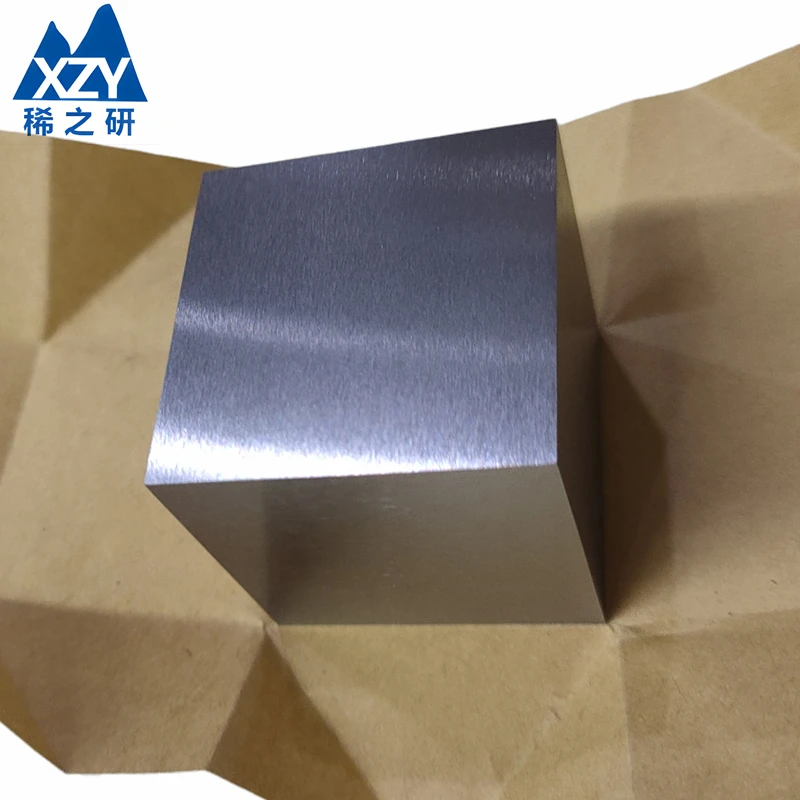
If you're interested in learning more about our tungsten plate products and their resistance to hydrogen embrittlement, please visit our website to explore our product range. We offer Pure Tungsten Block, Tungsten Threaded Rod, and Pure Tungsten Heating Element, all of which are carefully engineered to provide excellent performance and reliability in various applications.

Contact Us for Procurement and Technical Consultation
If you're in the market for high-quality tungsten plates or have any questions about hydrogen embrittlement and its impact on tungsten materials, we'd love to hear from you. Our team of experts is ready to assist you with your procurement needs and provide you with detailed technical information and support. Whether you're looking for a small quantity for research purposes or a large-scale production order, we can offer you competitive prices and reliable delivery.
Don't hesitate to reach out to us to discuss your specific requirements and explore how our tungsten plate products can meet your needs. We're committed to providing our customers with the best possible products and services, and we look forward to the opportunity to work with you.
References
- Birnbaum, H. K., & Sofronis, P. (1994). Hydrogen-enhanced localized plasticity—a mechanism for hydrogen-related fracture. Materials Science and Engineering: A, 176(1-2), 1-20.
- Lynch, S. P. (2005). A review of hydrogen embrittlement in ferritic steels. Corrosion Science, 47(11), 2717-2749.
- Oriani, R. A. (1970). The diffusion and trapping of hydrogen in steel. Metallurgical Transactions A, 1(4), 1293-1301.


