
As a supplier of pure tungsten blocks, I often get asked about the potential applications of our products. One question that comes up quite frequently is whether a pure tungsten block can be used in the telecommunications industry. In this blog post, I'll explore this topic in depth, examining the properties of pure tungsten, the requirements of the telecommunications industry, and how these two might intersect.
Properties of Pure Tungsten
Pure tungsten is a remarkable metal with a unique set of properties that make it suitable for a wide range of applications. First and foremost, tungsten has an extremely high melting point, which is the highest of all metals at 3,422°C (6,192°F). This high melting point makes tungsten ideal for use in high-temperature environments, such as in the filaments of incandescent light bulbs or in the electrodes of arc welding machines.
In addition to its high melting point, tungsten also has a high density, which is about 19.3 g/cm³. This high density gives tungsten a high mass-to-volume ratio, making it useful in applications where weight is a critical factor, such as in counterweights or in the tips of darts.
Another important property of tungsten is its excellent electrical conductivity. Tungsten has a relatively low electrical resistivity, which means that it can conduct electricity efficiently. This property makes tungsten a popular choice for use in electrical and electronic applications, such as in the wiring of electrical circuits or in the contacts of switches.
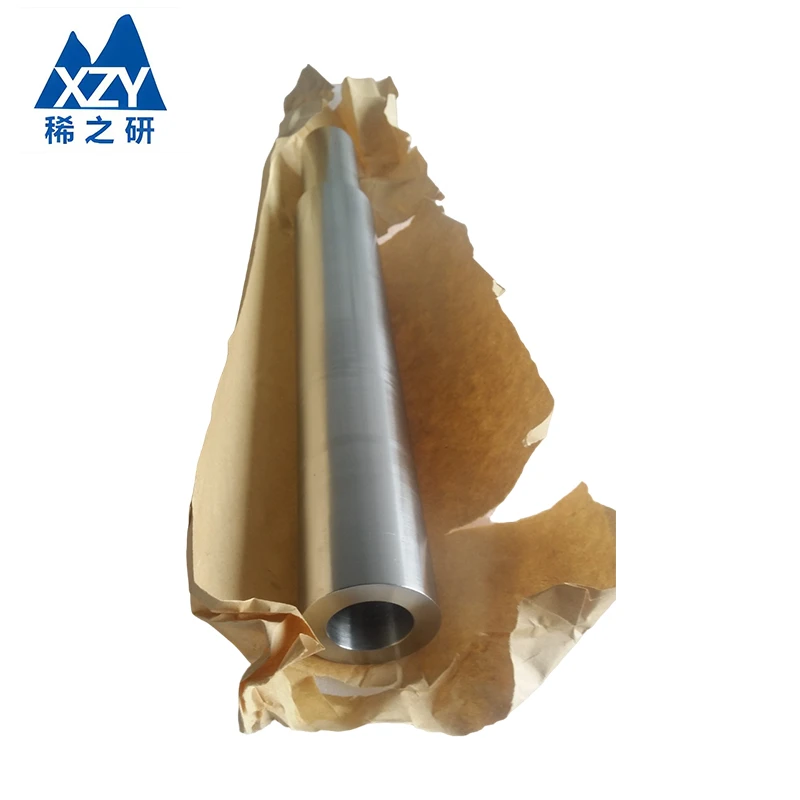

Finally, tungsten is a very hard and strong metal. It has a high tensile strength and is resistant to wear and corrosion. These properties make tungsten suitable for use in applications where durability is important, such as in the cutting tools of machining operations or in the armor of military vehicles.
Requirements of the Telecommunications Industry
The telecommunications industry is a rapidly evolving field that relies on advanced technologies to transmit and receive information over long distances. Some of the key requirements of the telecommunications industry include:
- High-Speed Data Transmission: With the increasing demand for high-speed internet and mobile data services, the telecommunications industry needs to be able to transmit data at ever-increasing speeds. This requires the use of advanced technologies, such as fiber optic cables and high-frequency wireless communication systems.
- Reliability: Telecommunications networks need to be reliable and available 24/7. Any downtime or disruption in service can have a significant impact on businesses and consumers. Therefore, the components used in telecommunications systems need to be highly reliable and resistant to failure.
- Miniaturization: As the demand for smaller and more portable devices continues to grow, the telecommunications industry needs to be able to miniaturize its components without sacrificing performance. This requires the use of advanced manufacturing techniques and materials that can be fabricated into small and complex shapes.
- Energy Efficiency: With the increasing focus on sustainability and energy efficiency, the telecommunications industry needs to be able to reduce its energy consumption without compromising on performance. This requires the use of energy-efficient components and technologies, such as low-power processors and energy-efficient communication protocols.
Potential Applications of Pure Tungsten Blocks in the Telecommunications Industry
Given the properties of pure tungsten and the requirements of the telecommunications industry, there are several potential applications of pure tungsten blocks in this field. Some of these applications include:
- High-Frequency Components: Tungsten's excellent electrical conductivity and high melting point make it suitable for use in high-frequency components, such as microwave filters and antennas. These components need to be able to operate at high frequencies without losing their performance, and tungsten's properties make it an ideal choice for this application.
- Heat Sinks: Tungsten's high thermal conductivity makes it an excellent material for use in heat sinks, which are used to dissipate heat from electronic components. In the telecommunications industry, heat sinks are used in a variety of devices, such as routers, servers, and base stations, to ensure that these devices operate at a safe temperature.
- Electrical Contacts: Tungsten's high hardness and wear resistance make it suitable for use in electrical contacts, which are used to connect different components in a circuit. In the telecommunications industry, electrical contacts are used in a variety of devices, such as switches, relays, and connectors, to ensure that these devices operate reliably.
- Counterweights: Tungsten's high density makes it suitable for use in counterweights, which are used to balance the weight of components in a device. In the telecommunications industry, counterweights are used in a variety of devices, such as satellite dishes and mobile phones, to ensure that these devices are stable and easy to use.
Other Tungsten Products for the Telecommunications Industry
In addition to pure tungsten blocks, there are several other tungsten products that may be useful in the telecommunications industry. These products include Pure Tungsten Sheet, Tungsten Fasteners, and Pure Tungsten Tube.
- Pure Tungsten Sheet: Pure tungsten sheets can be used in a variety of applications, such as in the fabrication of electrical contacts, heat sinks, and shielding components. Tungsten sheets can be cut, shaped, and formed into different shapes and sizes, making them a versatile material for use in the telecommunications industry.
- Tungsten Fasteners: Tungsten fasteners, such as screws, nuts, and bolts, can be used in a variety of applications, such as in the assembly of electronic devices and the construction of telecommunications infrastructure. Tungsten fasteners are known for their high strength, durability, and resistance to corrosion, making them an ideal choice for this application.
- Pure Tungsten Tube: Pure tungsten tubes can be used in a variety of applications, such as in the fabrication of vacuum tubes, electron guns, and other high-temperature components. Tungsten tubes can be fabricated into different diameters and lengths, making them a versatile material for use in the telecommunications industry.
Conclusion
In conclusion, while the use of pure tungsten blocks in the telecommunications industry is not yet widespread, there are several potential applications of this material in this field. Tungsten's unique properties, such as its high melting point, excellent electrical conductivity, and high density, make it suitable for use in a variety of high-performance components and devices. Additionally, other tungsten products, such as pure tungsten sheets, tungsten fasteners, and pure tungsten tubes, may also have applications in the telecommunications industry.
If you're interested in learning more about the potential applications of pure tungsten blocks or other tungsten products in the telecommunications industry, or if you're looking for a reliable supplier of these materials, please don't hesitate to contact us. We'd be happy to discuss your specific requirements and provide you with more information about our products and services.
References
- "Tungsten: Properties, Production, and Applications." ASM Handbook, Volume 2: Properties and Selection: Nonferrous Alloys and Special-Purpose Materials, ASM International, 2001.
- "Telecommunications Industry Overview." Federal Communications Commission, 2023.
- "Advanced Materials for Telecommunications Applications." Proceedings of the IEEE, Volume 95, Issue 6, June 2007.


